Hardin County adopts daily writing across school subjects
The board approved a districtwide writing program calling for daily writing instruction across subjects, including science, social studies, math and career studies.
Read the full storyThe board approved a districtwide writing program calling for daily writing instruction across subjects, including science, social studies, math and career studies.
Read the full storyWe bring transparency to school decisions nationwide by tracking school board meetings, district documents, and public data. We use AI tools, rigorously evaluated for accuracy, to search for risks.

The policy desk
The debate over phones, screens and the school day.

The policy desk
How artificial intelligence is changing classrooms and school rules.

The policy desk
Students speaking up, organizing and helping shape their schools.
The news desk
Haysville Unified School District 261
The district presented a first-reading proposal to update Spanish and French textbooks for secondary students. If approved, the materials could be used beginning in the second semester.
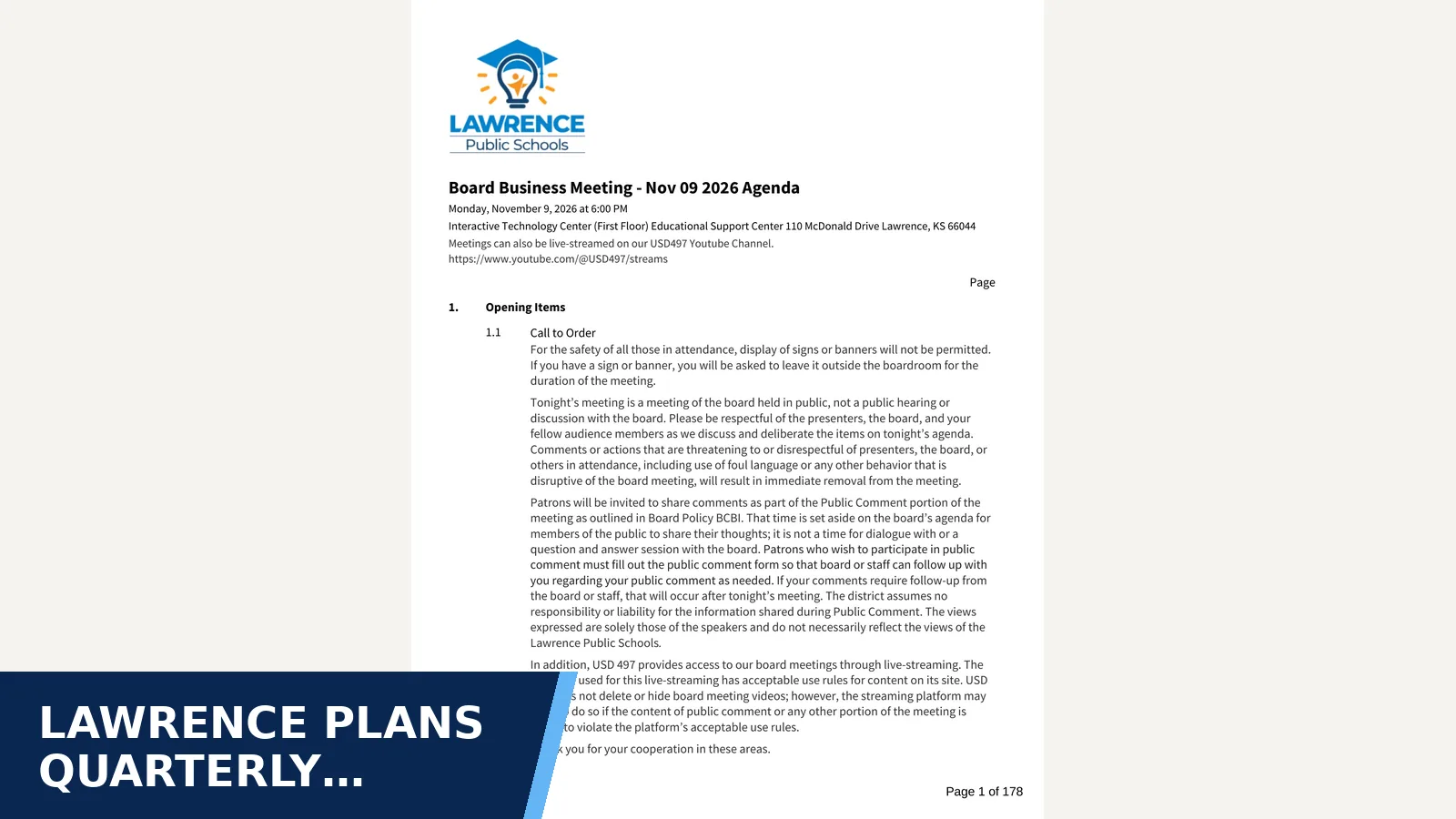
Lawrence Public Schools will pilot Kansas’s through-year assessment framework beginning in the 2027–28 school year. It uses brief, curriculum-directed assessments each quarter rather than a single end-of-year summative assessment.
East Otero School District R-1
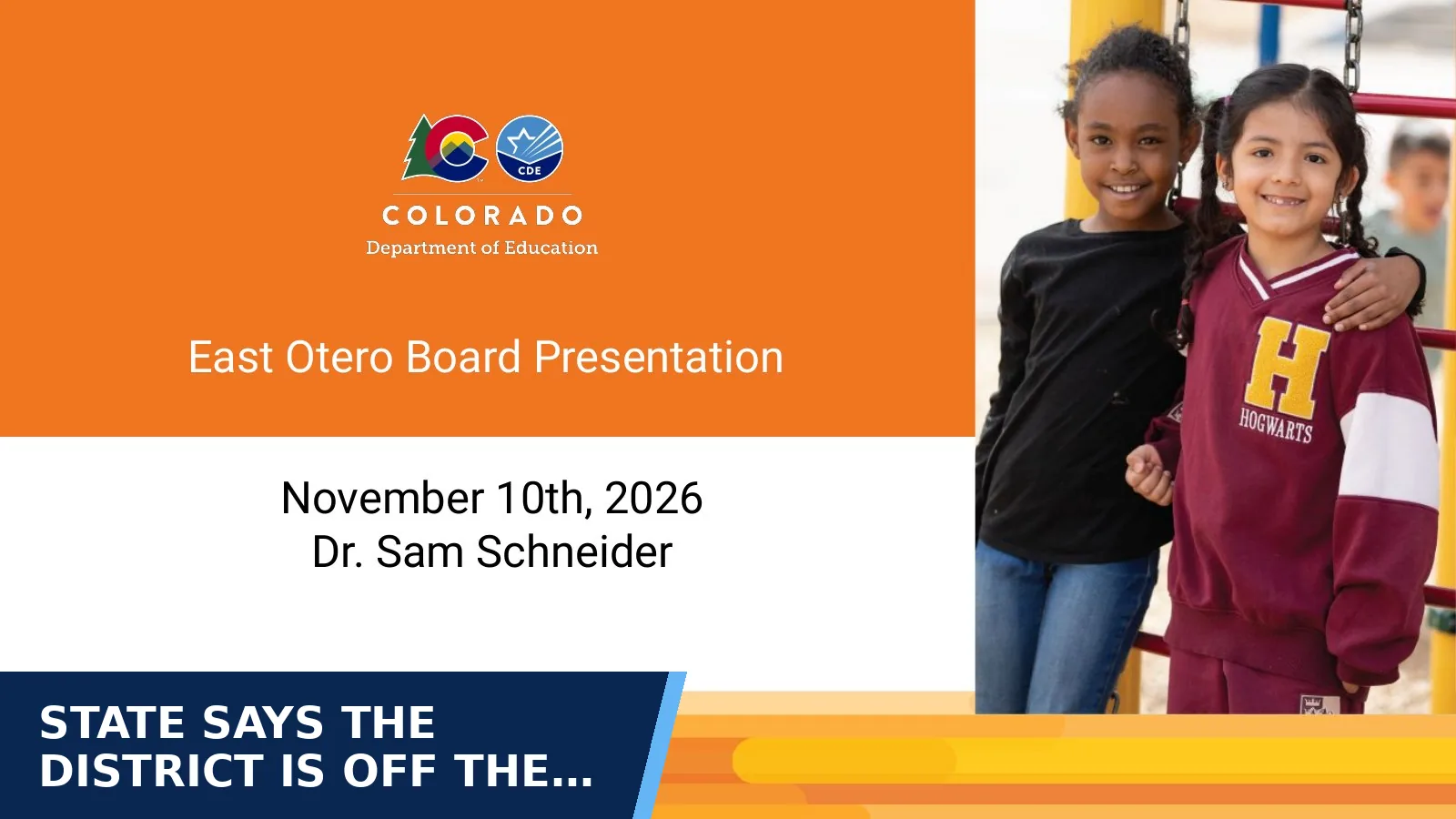
A Colorado Department of Education presentation for the November 9 meeting says the district has "fully exited the Accountability Clock" after consecutive years at Improvement or higher. La Junta Intermediate is shown as "Year 6 On Watch" and is under a State Directed Action. Its score rose 8.2% from 2025 to 2026.
Nevada State Board of Education
A Clark County review team recommends that the State Board adopt a range of instructional materials as Tier I options for high school biology, chemistry, physics and geoscience. This is a recommendation for board consideration, not evidence that the materials have been adopted or that schools must use them.
Nevada State Board of Education
Nevada is proposing that districts choose English, math and science materials from a state list based on EdReports reviews, instead of relying on the current selection process. The proposed system would launch in 2027–28; districts choosing off-list materials would use state review tools, with NDE validation and State Board approval.
Greece Central School District
The district is in the first year of an Arabic literacy program at Buckman Heights for students whose home language is Arabic. The program supports literacy in Arabic alongside English; officials said it is not a dual-language immersion program.
Greece Central School District
The approved high-school course guide includes plans for all ninth graders to take a new half-credit leadership course beginning in 2027–28. The yearlong, project-based course will connect students’ work to the district’s graduate attributes, and staff were still developing implementation details at the meeting.
Greece Central School District
The district plans to move its Spanish bilingual program from English Village to Lakeshore as the program advances into grade three next school year. The change shifts where the program is offered as its students progress to the next grade.
Ossining Union Free School District
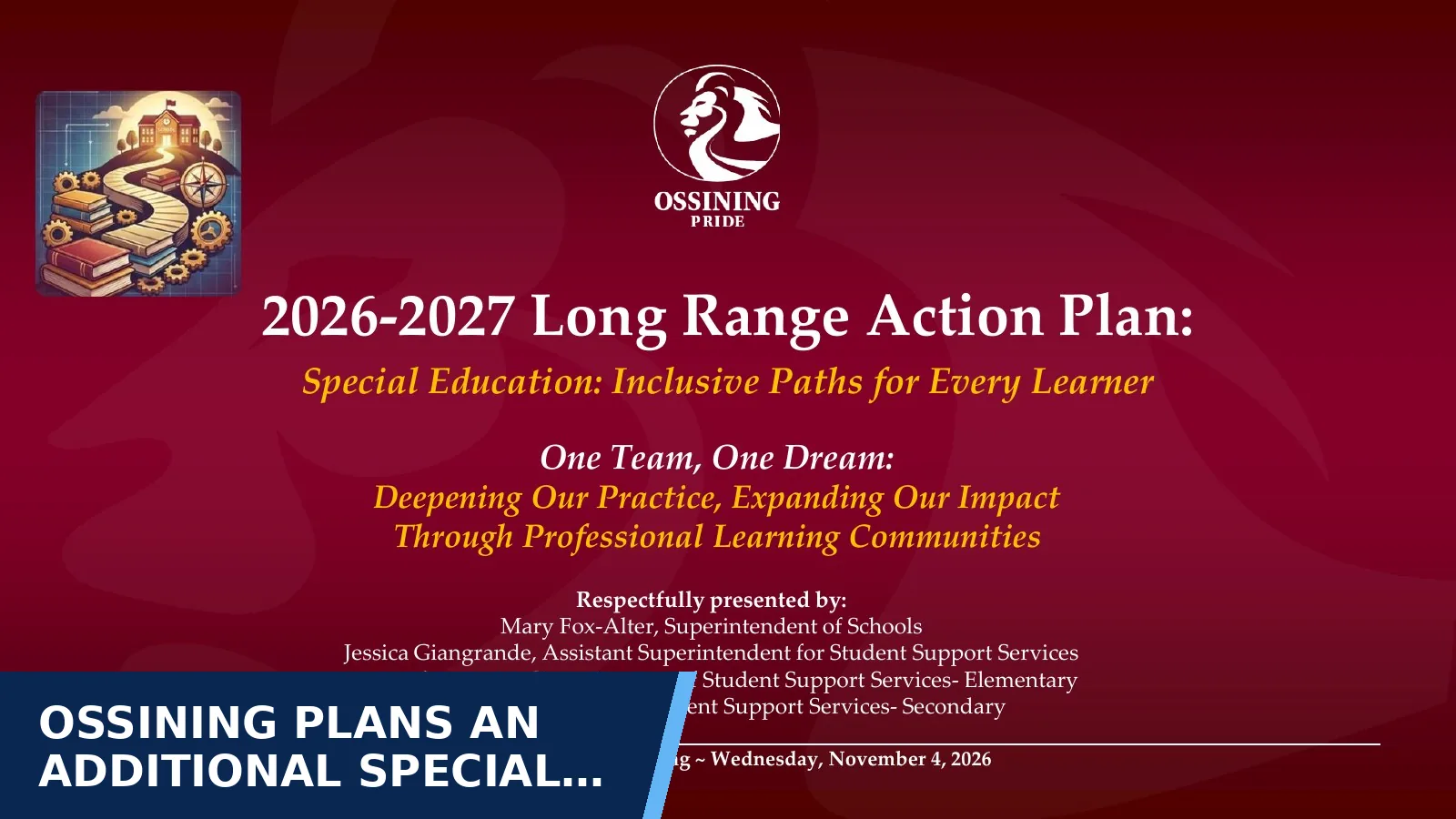
The district’s 2026–27 elementary special education plan calls for opening an additional 8:1:3 classroom section at Brookside School. The presentation lists this as a planned program change, not a completed Board approval.
Kenai Peninsula Borough School District
Fireweed Academy’s FY 2027 renewal application seeks to continue the school under a renewed charter. The application describes its instructional program and arrangements for admissions, facilities, finances and transportation; the supplied meeting record does not show a renewal decision.
Hastings-on-Hudson Union Free School District
Hastings High School has revised course-placement rules to give students a clearer path into more rigorous classes. Students seeking a course they are not recommended for can now set measurable goals with teachers, while added math and science support and a standalone testing center provide more help once they enroll.
Lewis Central Community School District
A district committee recommended McGraw Hill’s new K–12 literacy program, and administrators plan to bring a purchase proposal to the board in January or February; the board received information only on Nov. 2 and did not approve a purchase. The program would replace three separate district literacy curricula with one structured-literacy program, with materials targeted for March if approved.
The superintendent reported on October 29 that 2026 Wisconsin Forward Exam English language arts proficiency rose across grades 3 through 8, with 23 schools improving by 5 percentage points or more. She also reported gains in math, science and social studies.
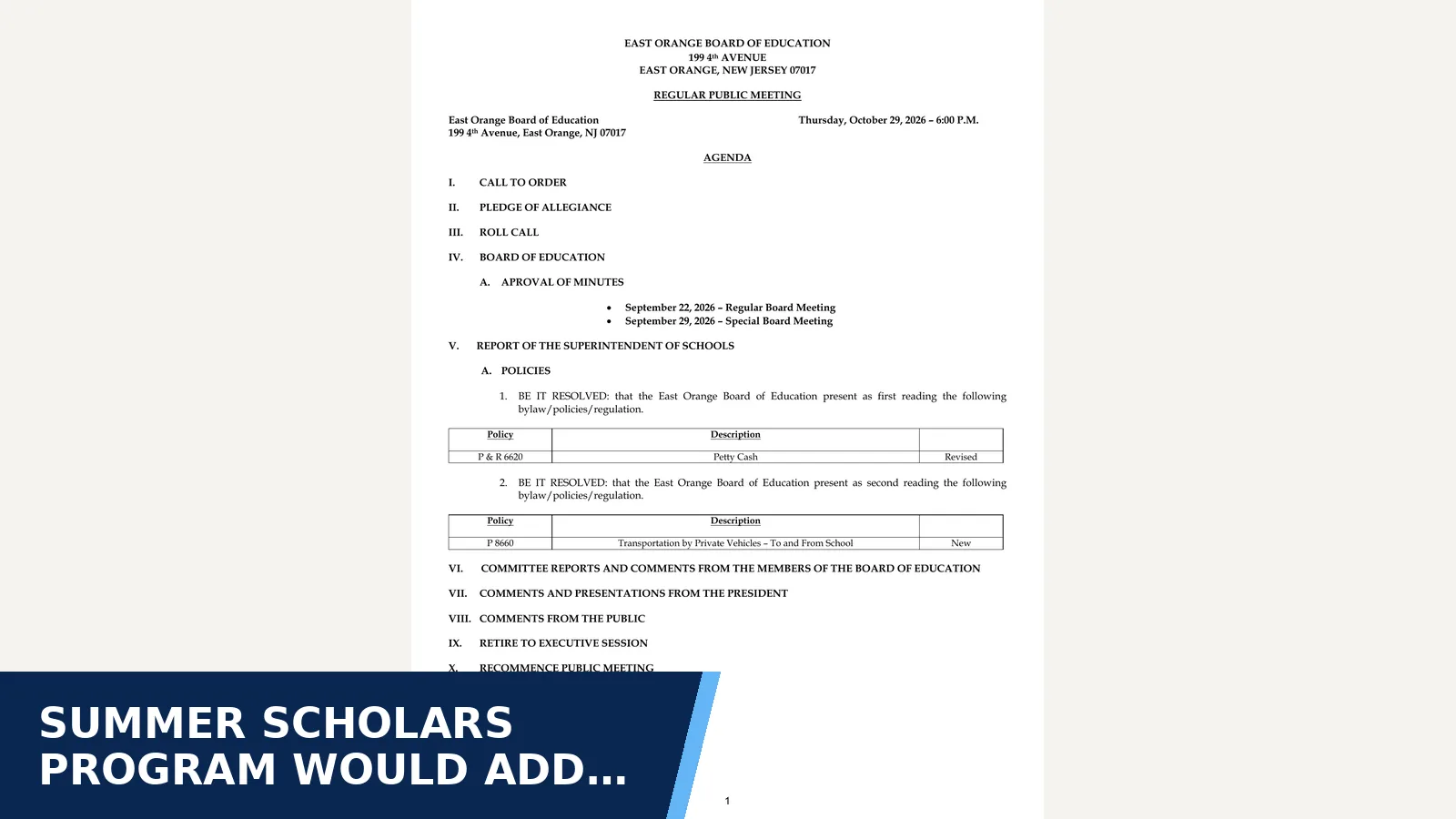
The district proposes a four-week, weekday summer program for up to 90 rising kindergarten-to-third-grade students at Ecole Toussaint Louverture Elementary School and Sheila Oliver Academy. It would run July 5–31, 2027, with enrollment based on academic need, family enrollment and available capacity.
Oakland Unified School District
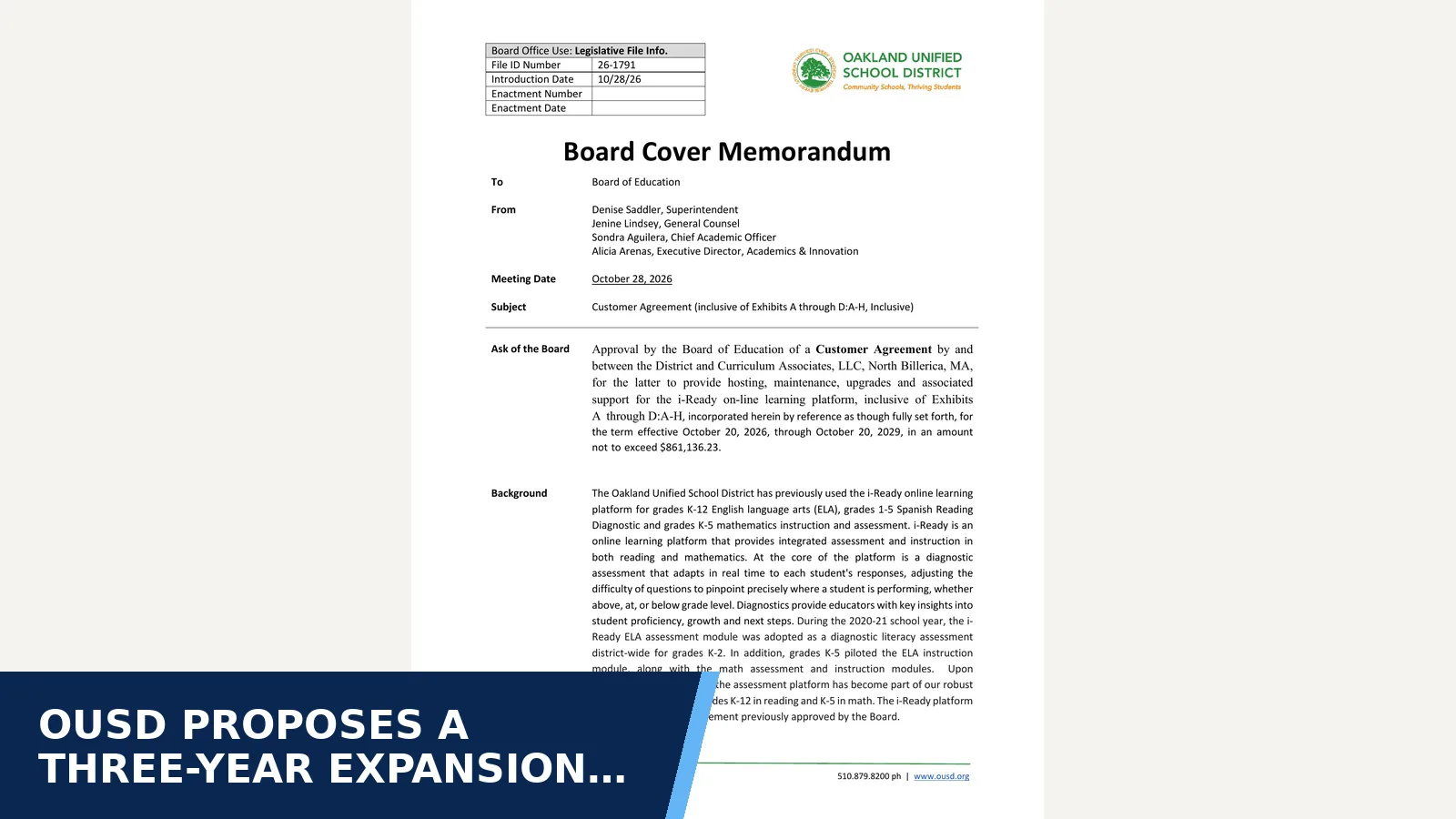
OUSD is proposing an $861,136 contract to continue and expand its use of the i-Ready online platform from October 2026 through October 2029. The district says educators use it to monitor reading progress in grades K–12 and math in grades K–5 and tailor instruction to student needs.
Oakland Unified School District
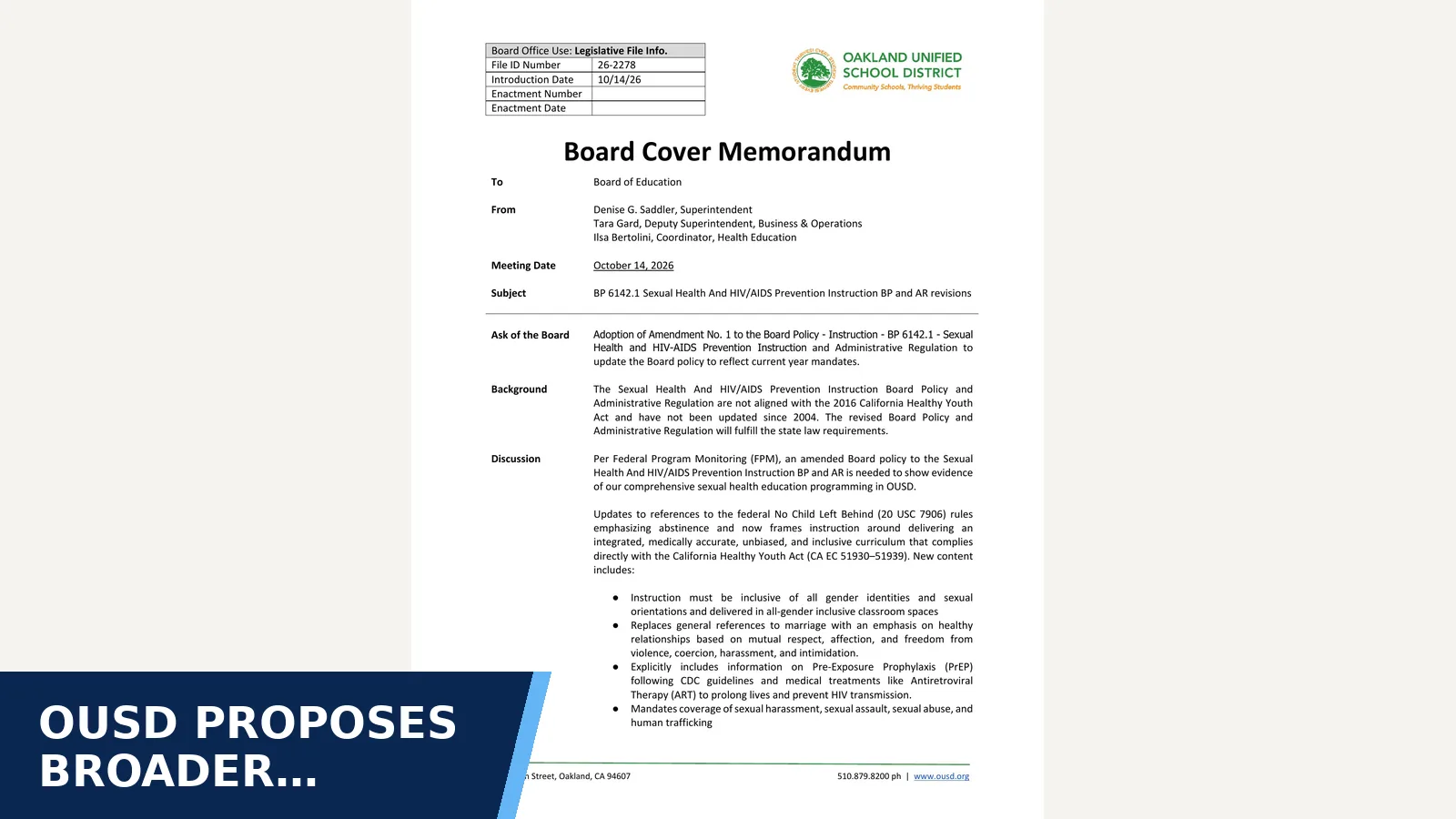
The board is scheduled to consider updating its 2004 sexual-health and HIV-prevention policy to align with California’s Healthy Youth Act. The proposed curriculum adds instruction on topics including PrEP and contraception, sexual abuse and trafficking, menstrual health, and local reproductive-health resources.
Oakland Unified School District
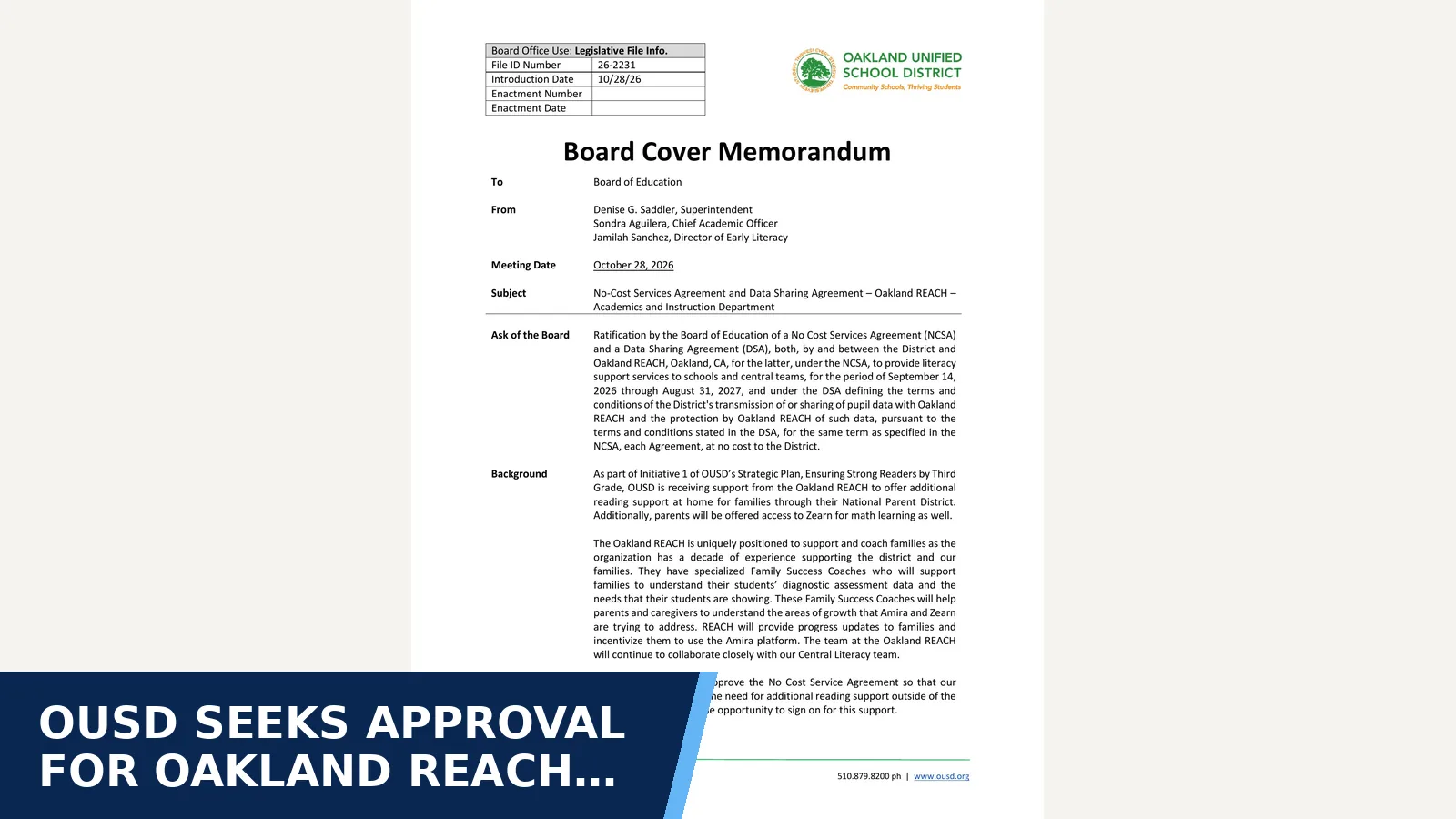
The Oct. 28 agenda asks the board to ratify a yearlong Oakland REACH agreement offering optional at-home reading support to students who need extra help outside school. Family coaches would explain students’ assessment data and support use of Amira reading and Zearn math; OUSD says REACH raised the funds to cover the service.
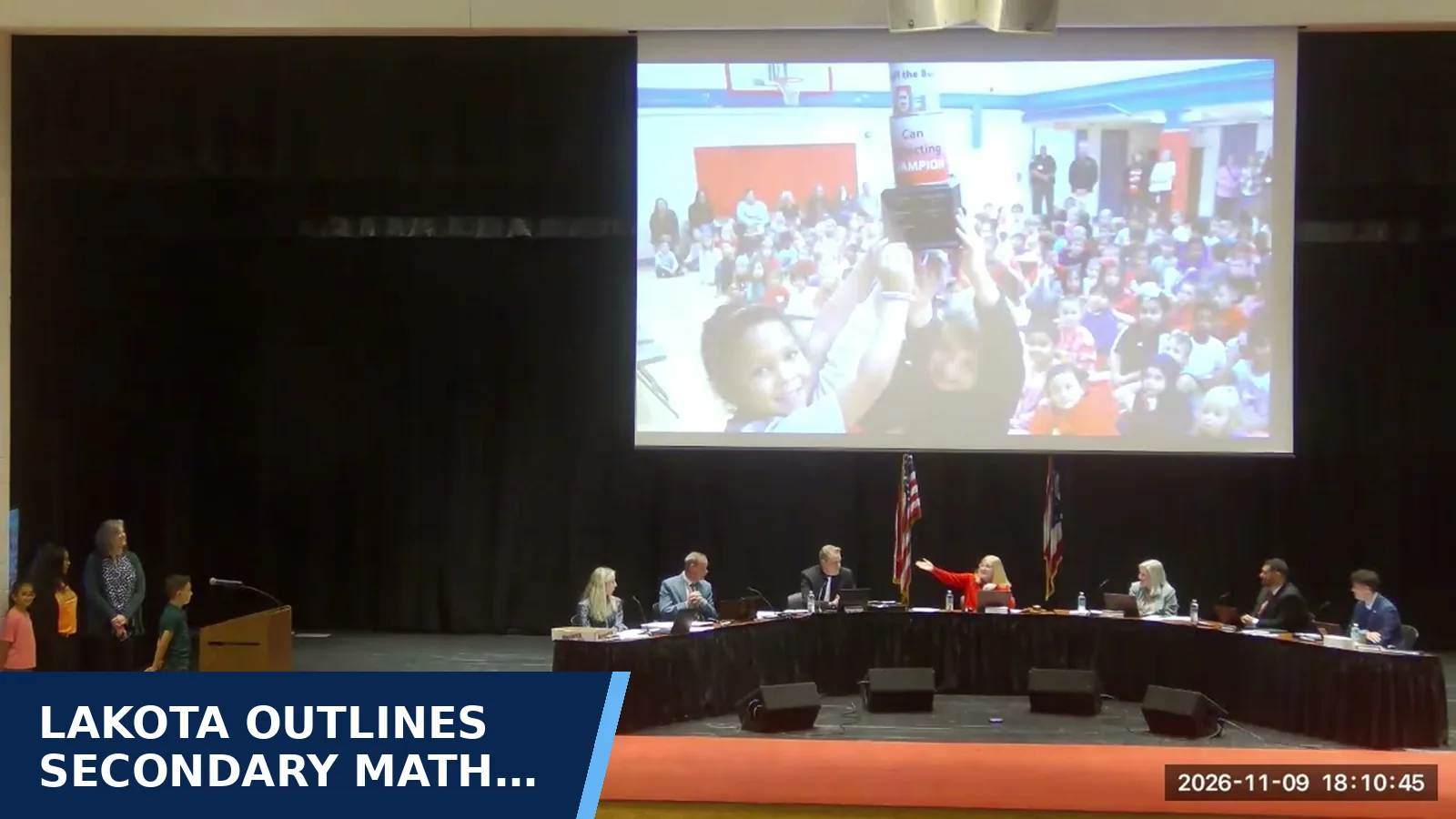
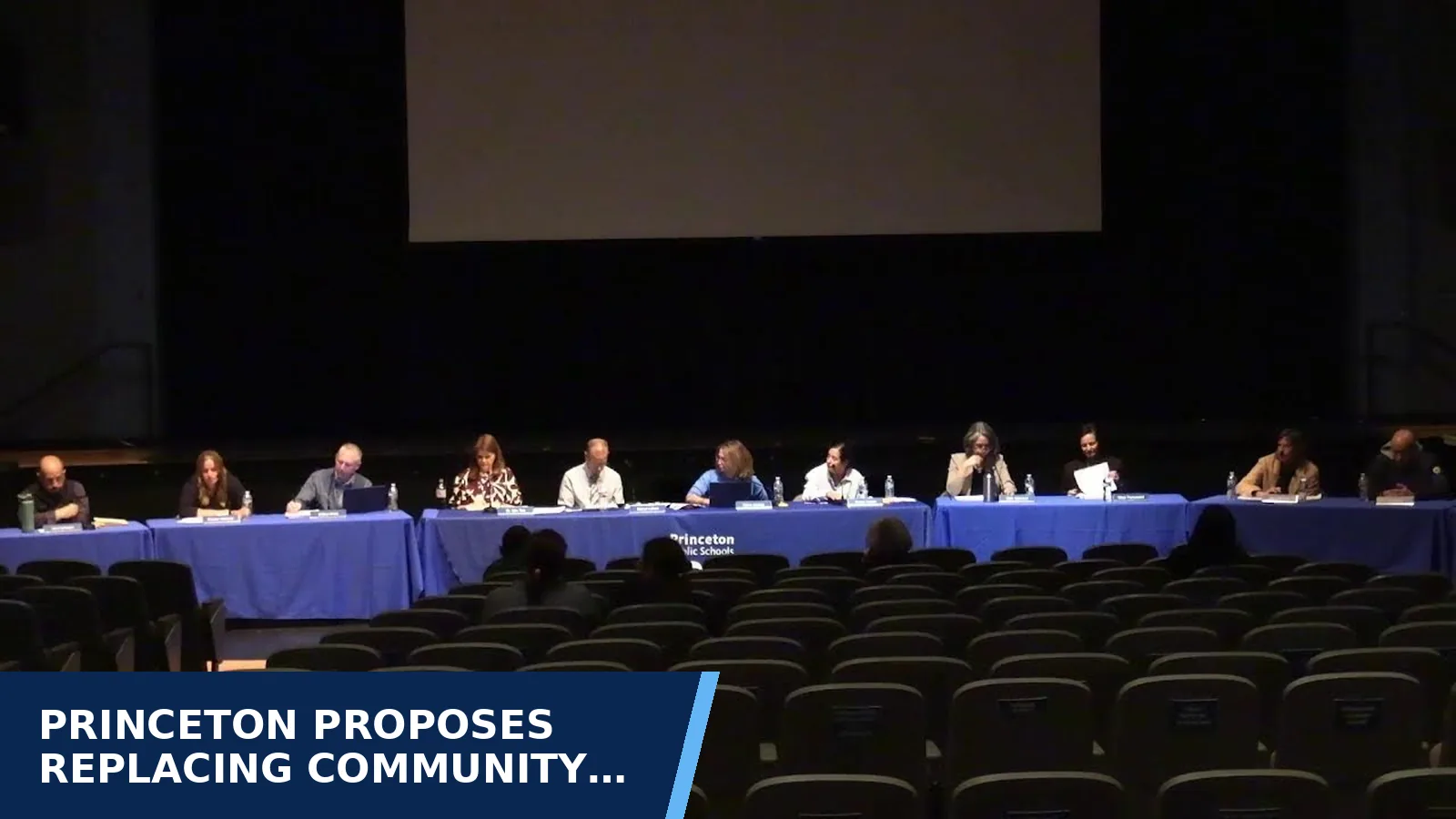
Superintendent Michael LaSusa proposed changing Community Park School from dual-language immersion to a Spanish-intensive program, with 45 minutes of Spanish instruction each day and math and science taught in English. He also proposed making the school a neighborhood school rather than an opt-in magnet; the board took no action at this meeting.
Township of Union School District
Union High School has created a new computer-science cybersecurity course, with 23 students enrolled in the 2026–27 school year. The program includes specialized teacher training and new technology and curriculum resources.
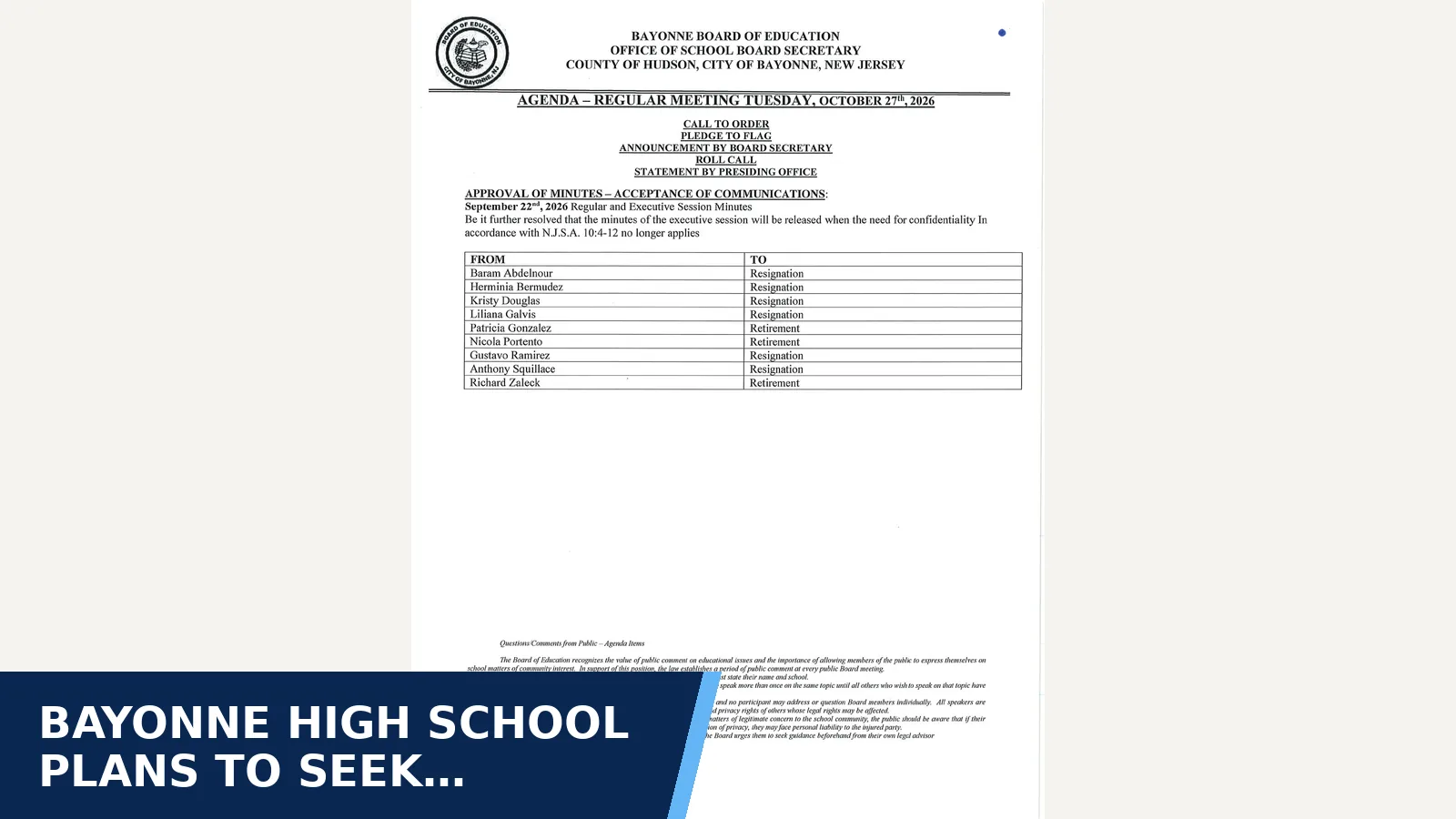
The board did not approve the proposed Amira Learning reading-intervention program at its Oct. 27 meeting and asked to bring it back for further consideration at the Nov. 17 meeting. Staff proposed using nearly $200,000 in state technology funds; coaches and interventionists would use it first, with access planned for all staff next year.
The board approved submitting applications to the state for 10 new career and technical education programs, including automotive technology, digital media, culinary arts, marine repair, and law enforcement. The resolution authorizes the superintendent to submit the curricula and applications by Oct. 31; it does not establish that the state has approved the programs or that they have launched.
Bakersfield City School District
BCSD is preparing a locally developed ethnic-studies elective for middle and junior-high students and plans to seek a curriculum partner through a public vendor request. Staff named Lincoln Junior High, Curran Middle School and Stern Middle School as possible pilot sites; a winter 2028 soft launch was only a possibility, while 2028–29 was described as more realistic.
Juneau Borough School District
The district is proposing to accept year two of a three-year Sealaska Heritage Institute grant, which would fund 2.5 Indian Cultural Specialist positions. The $216,558 in grant support is intended to ensure every JSD elementary school has a dedicated full-time specialist; the item is listed for a first reading, not as an adopted decision.
Collingswood Public School District
District leaders say Collingswood High School will end its integrated Algebra 1/Geometry sequence and return to separate Algebra 1, Algebra 2 and Geometry courses next school year. Students already in the two-year integrated sequence will finish it before the switch.
Garfield Public School District
The superintendent plans to shift some Garfield Middle School sports from selective teams to intramural play this winter. Basketball and volleyball were named as activities that students cut from limited rosters could still play; the superintendent said the program itself would not come to the board for a vote.
Scarsdale Union Free School District
The district is introducing lessons to help students understand how AI works and use it critically, rather than adopting commercial AI tools for classroom instruction. At Scarsdale Middle School, lessons are being piloted in grades 6–7, with grade 8 also participating; elementary lessons are being woven into library and technology projects.
Dodge City Unified School District 443
The October 26 agenda asks the board to approve an agreement allowing eligible students from other districts to enroll in designated USD 443 career and technical education courses, pathways, or programs. Placements would depend on available space and approval; home districts would pay base fees of $1,500–$2,500 per student and arrange transportation.
Wasatch County School District
At an October 22, 2026 study session, staff explained Utah's new early literacy law (SB 241). Students who are behind in reading get an individual reading plan made with families within 45 days. By 2030, third graders still reading below grade level may be held back, unless they qualify for a good-cause exemption based on their reading history. Staff reported 87% of kindergartners and 67% of first graders on track.
The board recording captures approval of an integrated ninth-grade science course to replace physical science.
The district combined two RISE classrooms at Kearney Elementary and moved the students to Hawthorne Elementary. The board approved added behavior services at Hawthorne for the rest of the school year, including help developing student support plans.
RSU 82/MSAD 12 (Jackman-Moose River)
The Oct. 21, 2026 agenda includes changes to the 2026-27 high school course registration handbook and a first reading of policy IKF on graduation requirements. In June, a community member told the board Forest Hills is the only local school that will not offer dual credit, that it offers no AP courses, and raised concern about how college credits count.
Manson Northwest Webster Community School District
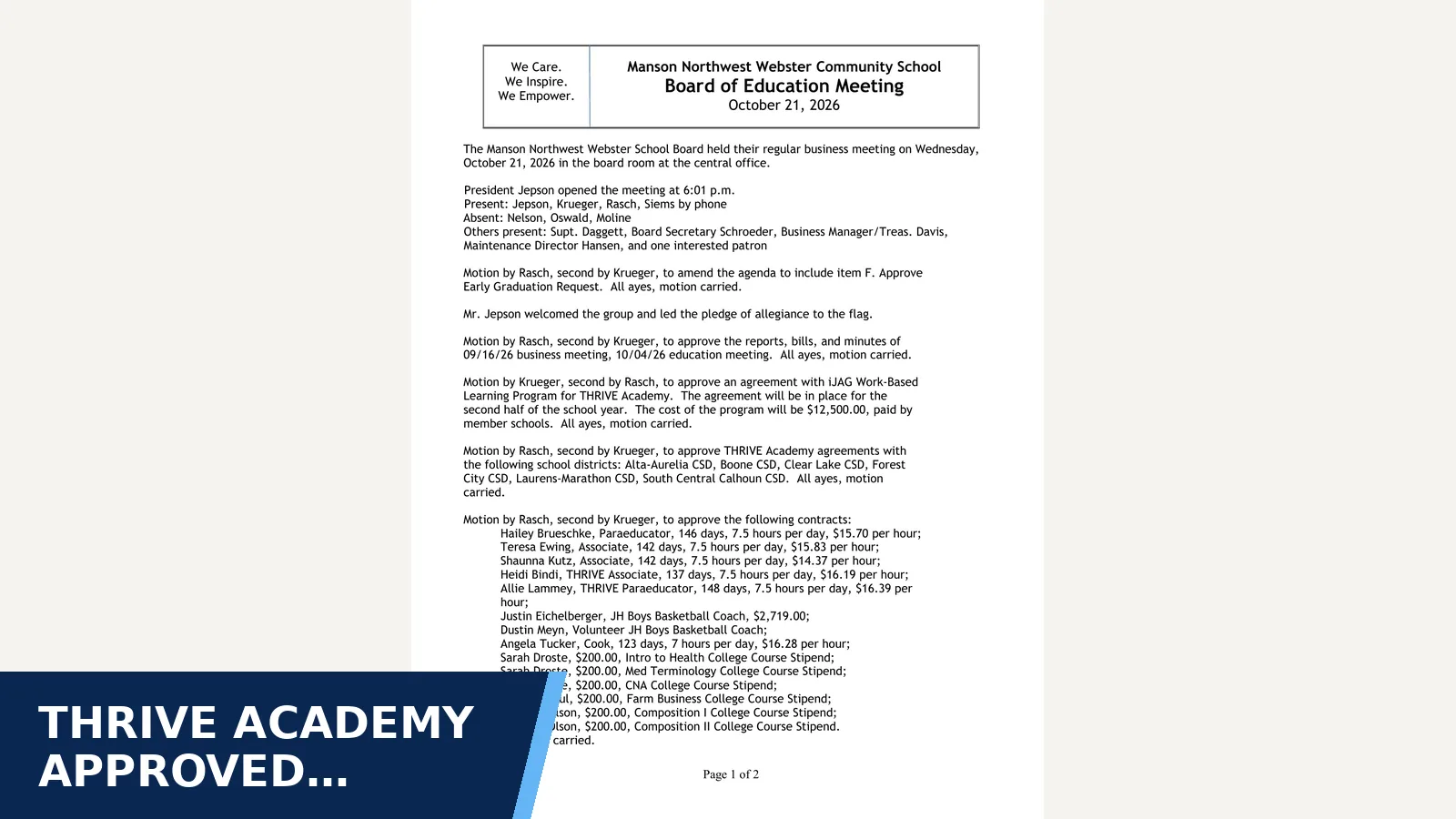
The board approved an iJAG work-based learning program for THRIVE Academy students for the second half of the school year. The program costs $12,500, paid by member schools.
Indiana State Board of Education
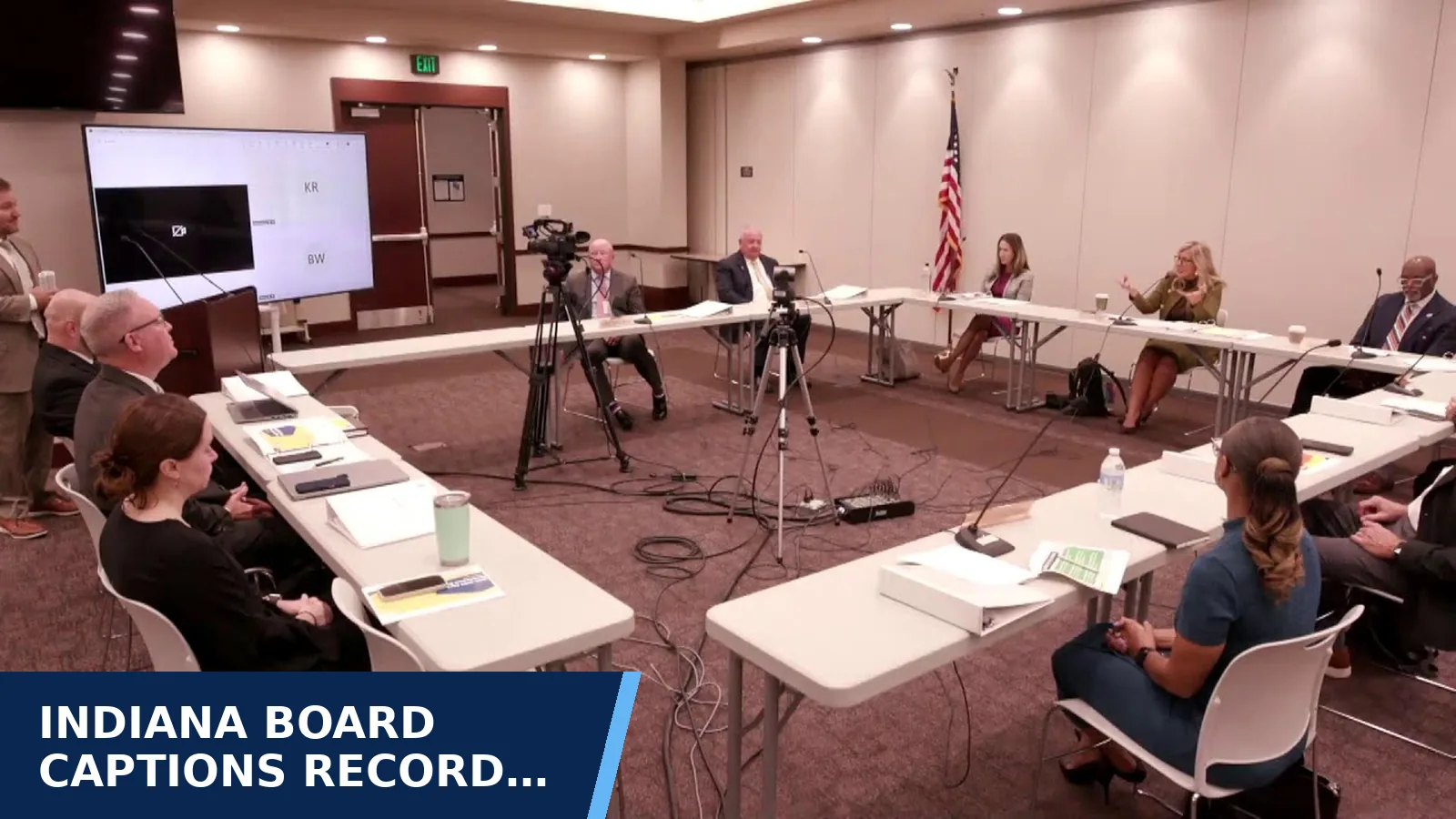
Stored meeting captions record approval of the consent agenda containing updated K–12 math standards and alternate content connectors. The memo covers K–8 and ten high-school courses, with connectors for K–8 and two high-school courses.
Jackson Public School District
JPS has received a more than $10 million federal GEAR UP grant serving nearly 2,000 current seventh- and eighth-graders at six middle schools. The program adds college- and career-readiness support, including graduation coaches, after-school and summer programming, and activities with college and community partners.
Somers Central School District
Student representatives said on October 20 that Somers High School was transitioning to letter grades. They planned a student survey after first marking-period grades.
On Oct. 20, 2026 the board had a first reading of a graduation policy for students who started 9th grade in 2025-26 or later. They would need 26 credits. The state requires 24. The extra two are one credit in communication and one capstone credit.
In August the board heard a presentation on Lake Stellar Virtual and took up an intent to set up a statewide virtual charter school. A state-required public hearing was held Sept. 9. The Oct. 19 agenda lists a resolution to approve the charter agreement and related documents. The agenda describes this as up for consideration; the outcome is not in the collected documents.
Lewis-Palmer School District No. 38
On Oct. 6 the board agreed the superintendent could keep talking with Williamsburg Academy of Colorado, a tuition-free online public school for grades 6-12. The Oct. 19 agenda asked the board to approve pursuing a multi-district online school application with the state and starting early partnership talks.
The October 19, 2026 agenda included a resolution to start using the new AB 2555 rules now. These rules decide when English learners are reclassified as fluent. The written English Learner Plan is still being updated.
The industrial arts teacher retired, and Maine no longer certifies new industrial arts teachers. On October 19 the board rehired the retired teacher, Tim O'Connor, for the rest of this year. The district is also trying to get a Region 9 career teacher for Telstar.
Yorktown Central School District
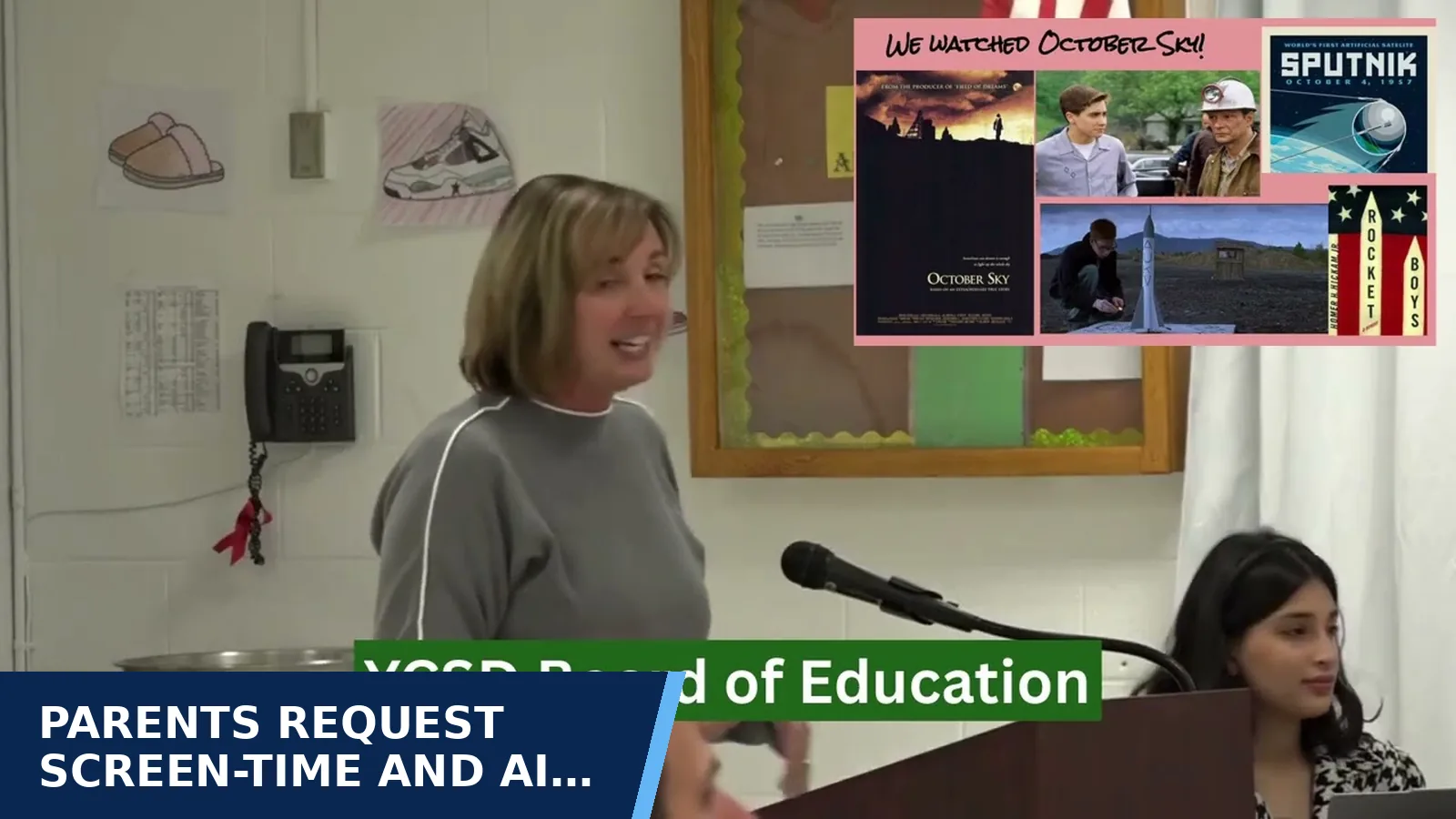
At two October meetings, parents asked for greater oversight of classroom screen time. One requested a temporary AI moratorium for younger grades and clearer rules for posting student images.
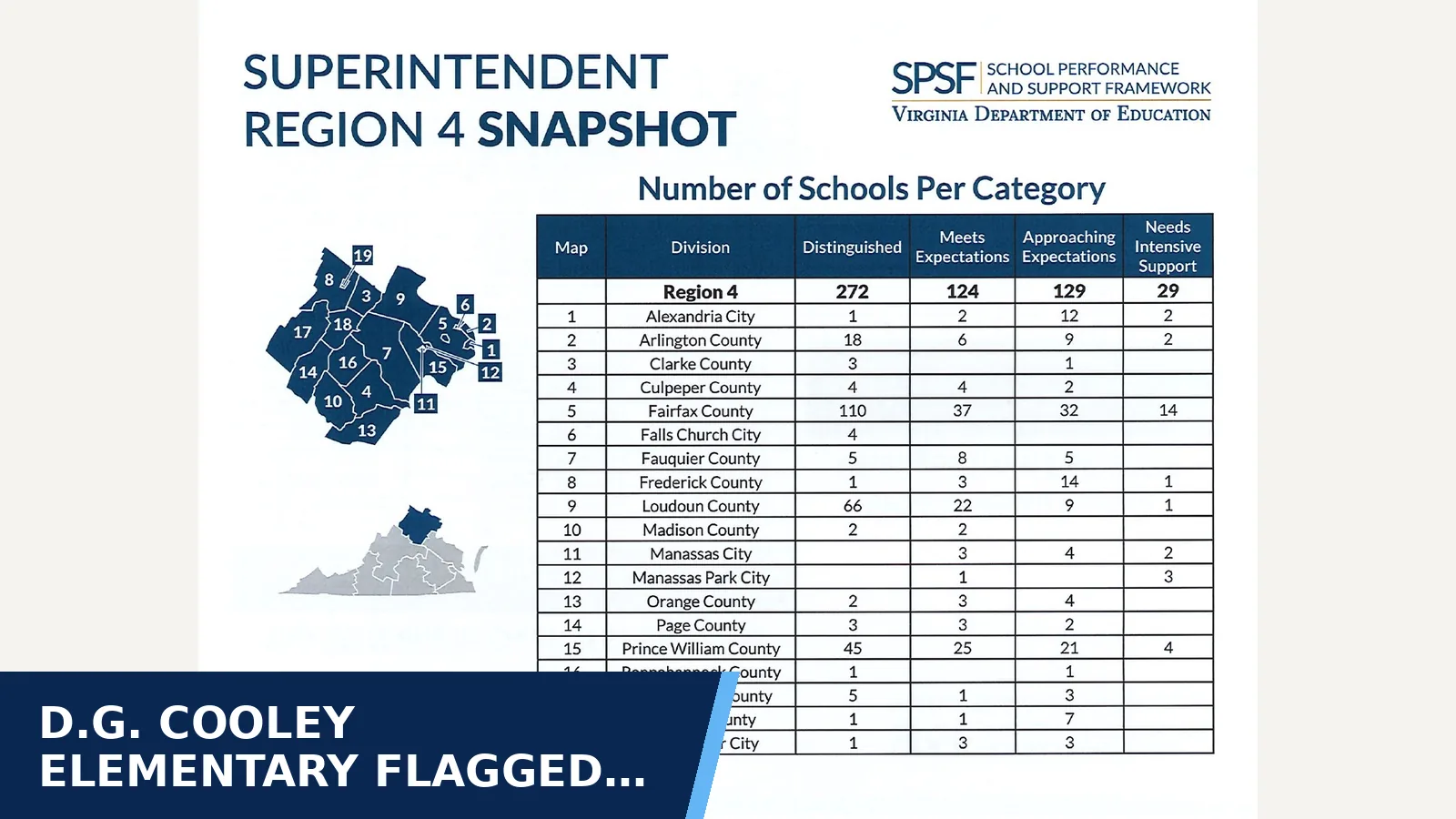
In the fall 2026 state ratings, D.G. Cooley Elementary scored 88.04 points, its best ever, but was federally identified for Targeted Support and Improvement. That lowers its rating one level to 'Approaching Expectations.' The superintendent said the identification is only for students with disabilities, whose overall score was 61.76. The other three schools were rated Distinguished.
Closer to home
Find the stories shaping public education in your state.