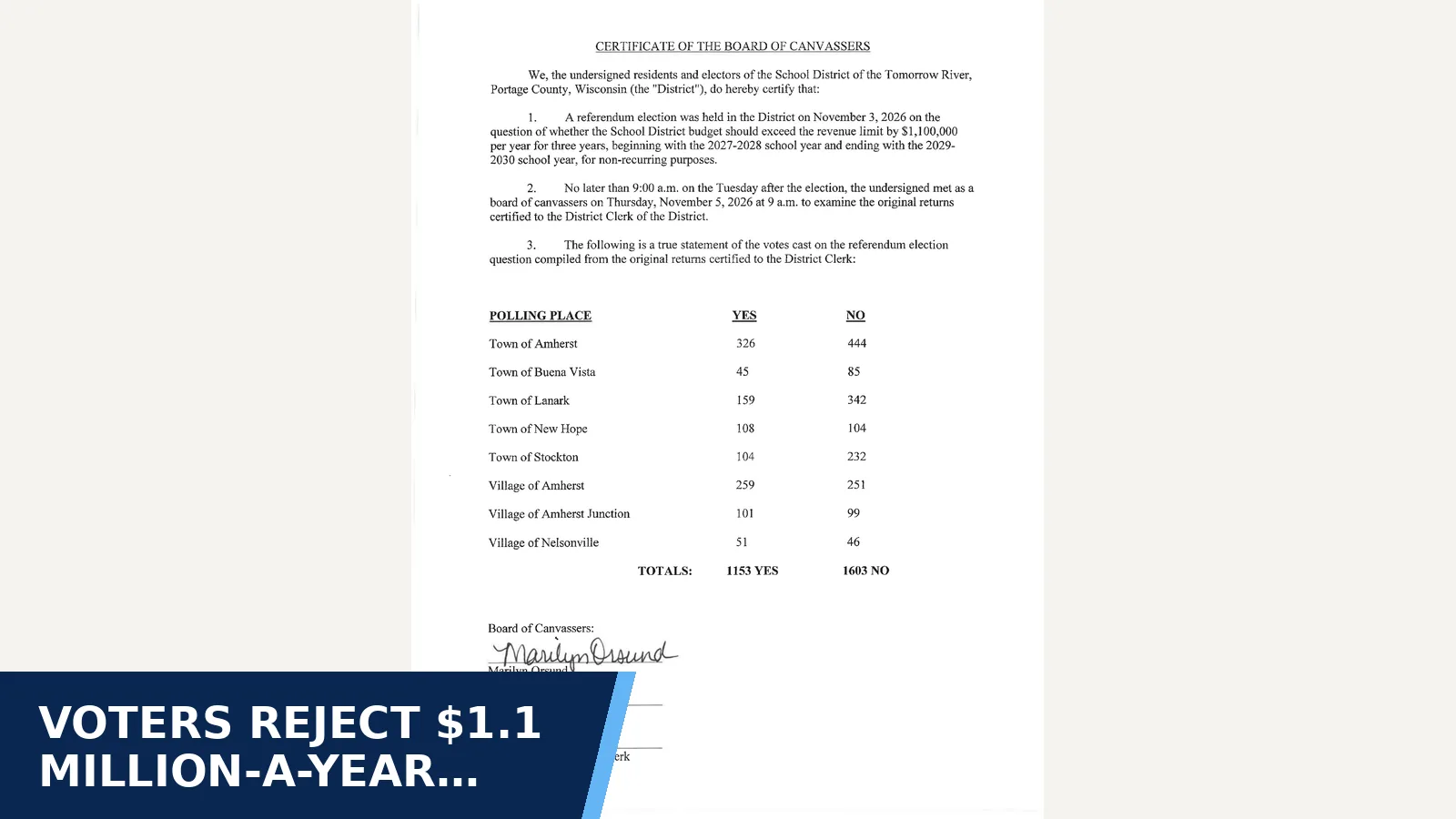
Tomorrow River voters rejected a referendum that would have allowed the district to exceed the state revenue limit by $1.1 million annually for three years, starting in 2027–28.
We bring transparency to school decisions nationwide by tracking school board meetings, district documents, and public data. We use AI tools, rigorously evaluated for accuracy, to search for risks.
The policy desk
What’s moving in phones
The debate over phones, screens and the school day.
No recent stories in this edition. Explore the latest reporting below.
The policy desk
What’s moving in AI
How artificial intelligence is changing classrooms and school rules.
No recent stories in this edition. Explore the latest reporting below.
The policy desk
What’s moving in student voice
Students speaking up, organizing and helping shape their schools.
No recent stories in this edition. Explore the latest reporting below.
Twiggs County is planning for a projected $250,000–$290,000 drop in state funding next year after October enrollment fell by 33 FTE, and the superintendent said staff reductions are being considered if other revenue does not arrive. No layoffs were approved; a possible $1.3 million in additional revenue has not yet materialized.
Administrators propose a $15 million bond anticipation note in December 2026, then long-term general obligation notes in spring 2027. The board is also asked to let Bray Architects start construction drawings, bidding and construction management for the work.
MVISD’s preliminary projection for this school year now shows a deficit of about $513,000, down from the roughly $963,000 previously projected. The district attributed the improvement to higher-than-budgeted attendance and estimated about $450,000 in additional revenue, while cautioning that the figures are preliminary.
The Campbellsville board agenda proposes moving $1 million from the General Fund into a special project for future vocational, career and technical education. The agenda does not identify a specific program, school, or implementation timeline.
A community poll found 31% would vote for almost any school tax increase, 39% under some conditions and 30% against. Administration estimates a $20 a month increase would raise about $17.6 million, close to the $17.8 million deficit.
At the Nov. 4 meeting, board members and speakers talked about the bond as having passed the day before. One speaker put the margin at about 2.6 percentage points. Official county results were not in the collected records.
The district reports that voters approved Ballot Issue 4A in November 2026. It raises property taxes to bring in about $5.9 million a year starting in tax year 2027.
As it begins planning next year’s budget, the district warned that temporary revenue associated with Indian Point supports about 18% of its budget and is projected to fall to zero by 2028–29. Administrators said recurring costs will eventually require replacement revenue or spending reductions; no tax or program cuts were decided at this meeting.
Sunapee voters rejected the proposed school-tax cap, so it will not constrain the district’s budgets. The measure received less than 50% support among roughly 1,900 voters, below the 60% needed to pass; officials said it could return to the ballot in two years.
The board put a second operating referendum on the November 3, 2026 ballot: exceed the state revenue limit by $1.8 million a year for three more years (2027-29). The 2024 referendum that provides the same amount ends after 2026-27. Unofficial news reports after the vote say it passed 1,884 to 1,776.
On Nov. 3, 2026 voters turned down a non-recurring operating referendum that would have let the district exceed the state revenue limit by $797,000 a year for four years. A news report gives 2,318 no votes (60.8%) to 1,497 yes; results were unofficial until canvassed.
The school board put two questions on the Nov. 3, 2026 ballot. Question 4A is a mill levy override of $4.7 million per year to keep class sizes and raise pay for all teachers and staff. Question 4B is a $118 million bond for six projects: Rifle High School safety and access, Rifle High School renovations, an early learning center, a Coal Ridge High School addition, affordable rental housing for staff, and technology. The district says both together would add about $38 per year for each $100,000 of home value, and that the bond does not add a new tax rate.
Voters will decide on November 3, 2026 whether Porter Township schools can raise property taxes for up to eight years at no more than $0.3576 per $100 of assessed value and no more than $3.5 million a year. The district says the money would keep school resource officers, teachers and staff, class sizes, buses and programs after state tax changes cut its operations fund by about $1.19 million over 2026 and 2027. The ballot says a $350,000 median home would pay up to $599 more a year; the district says it plans to set a lower rate of about $0.1721 in the first year.
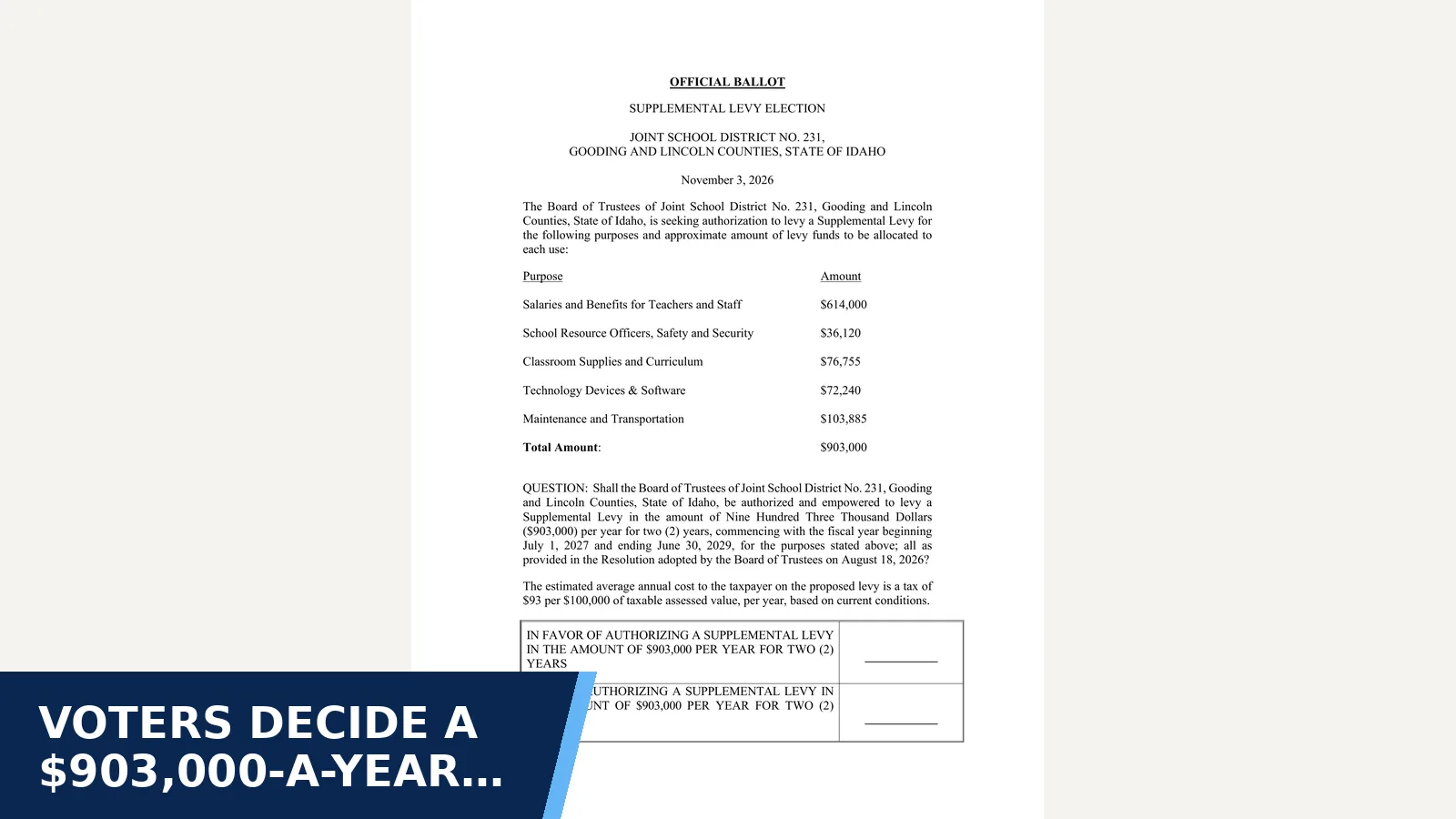
The board put a two-year supplemental levy on the November 3, 2026 ballot. It asks for $903,000 a year, up $144,000 from the current $759,000 levy. Most of it, $614,000, would pay teacher and staff salaries and benefits. The rest would go to security and a school resource officer, supplies and curriculum, technology, and maintenance and transportation.
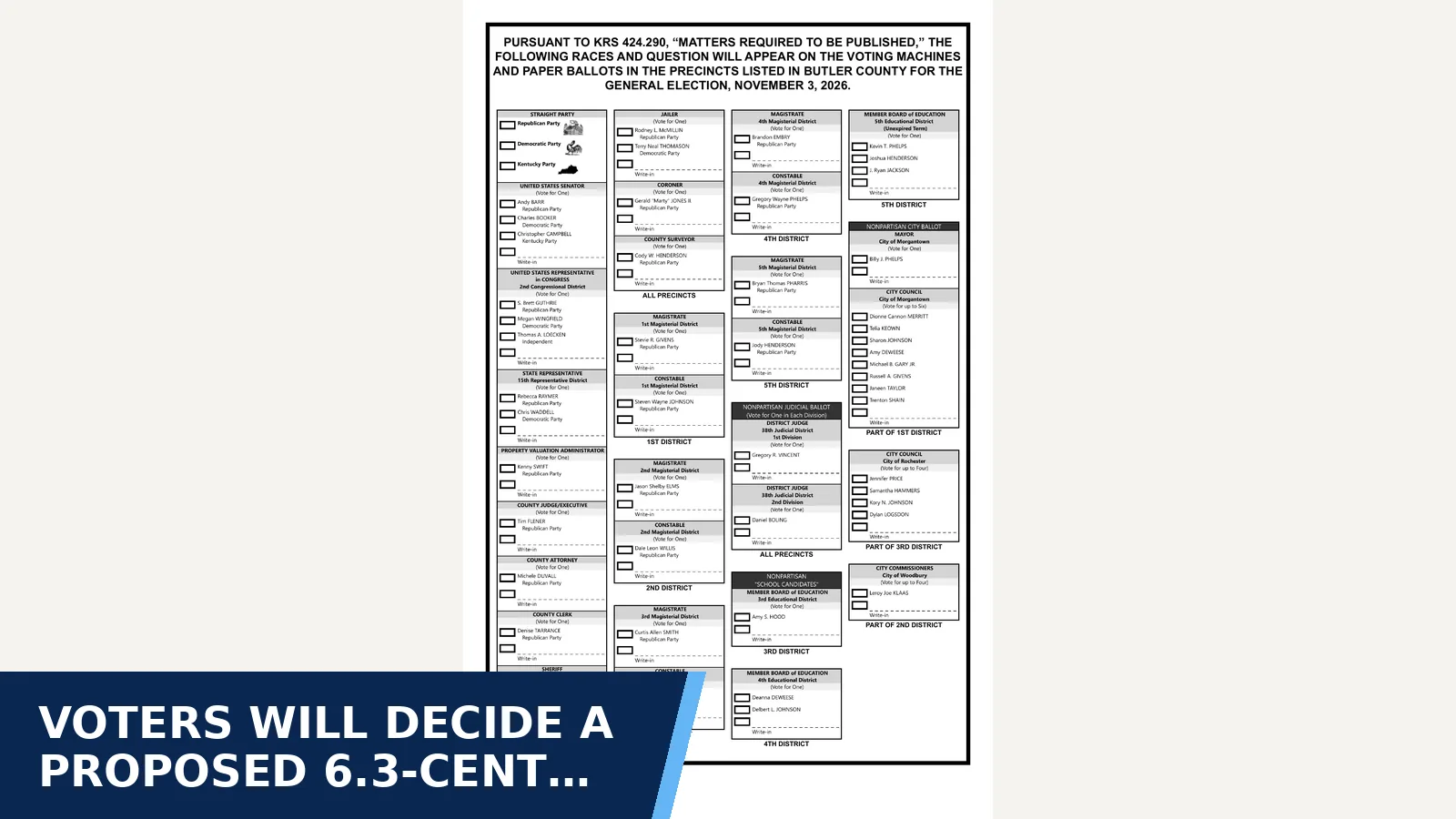
The November 3, 2026 ballot asks voters to approve or reject a 6.3-cent tax per $100 of real and personal property for school facilities that are safe, up to date and compliant with state standards.
The School Board approved a $7.5 million transfer from the General Fund to the Student Nutrition Fund after federal meal reimbursements fell short of projections. The district served more than 3.6 million meals in FY2026—18% more than three years earlier—but Student Nutrition revenue was nearly $9 million below budget.
The superintendent said enrollment over the last 10 years grew about 1.94%, but 2026-27 is estimated at 3,316 students, about 1.5% lower, and flat or declining enrollment is expected over the next five years because kindergarten classes are smaller than graduating classes.
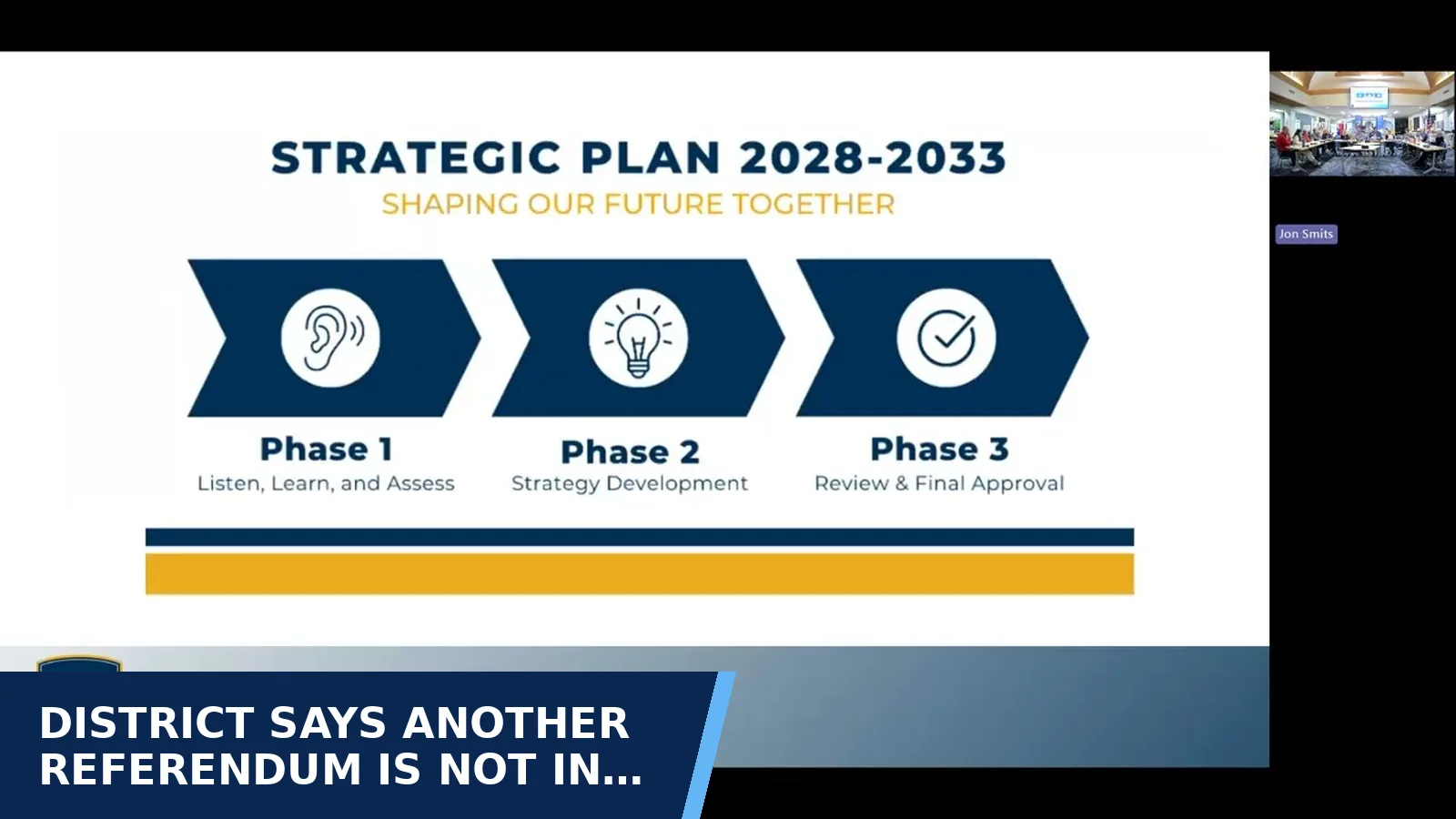
Officials said the 2024 operating referendum added $1 million to the revenue limit in each of 2024-25, 2025-26 and 2026-27, a permanent $3 million total, and that after 2026-27 only state per-student increases apply. With a capital referendum also passed, an additional referendum is not in the district's current reality.
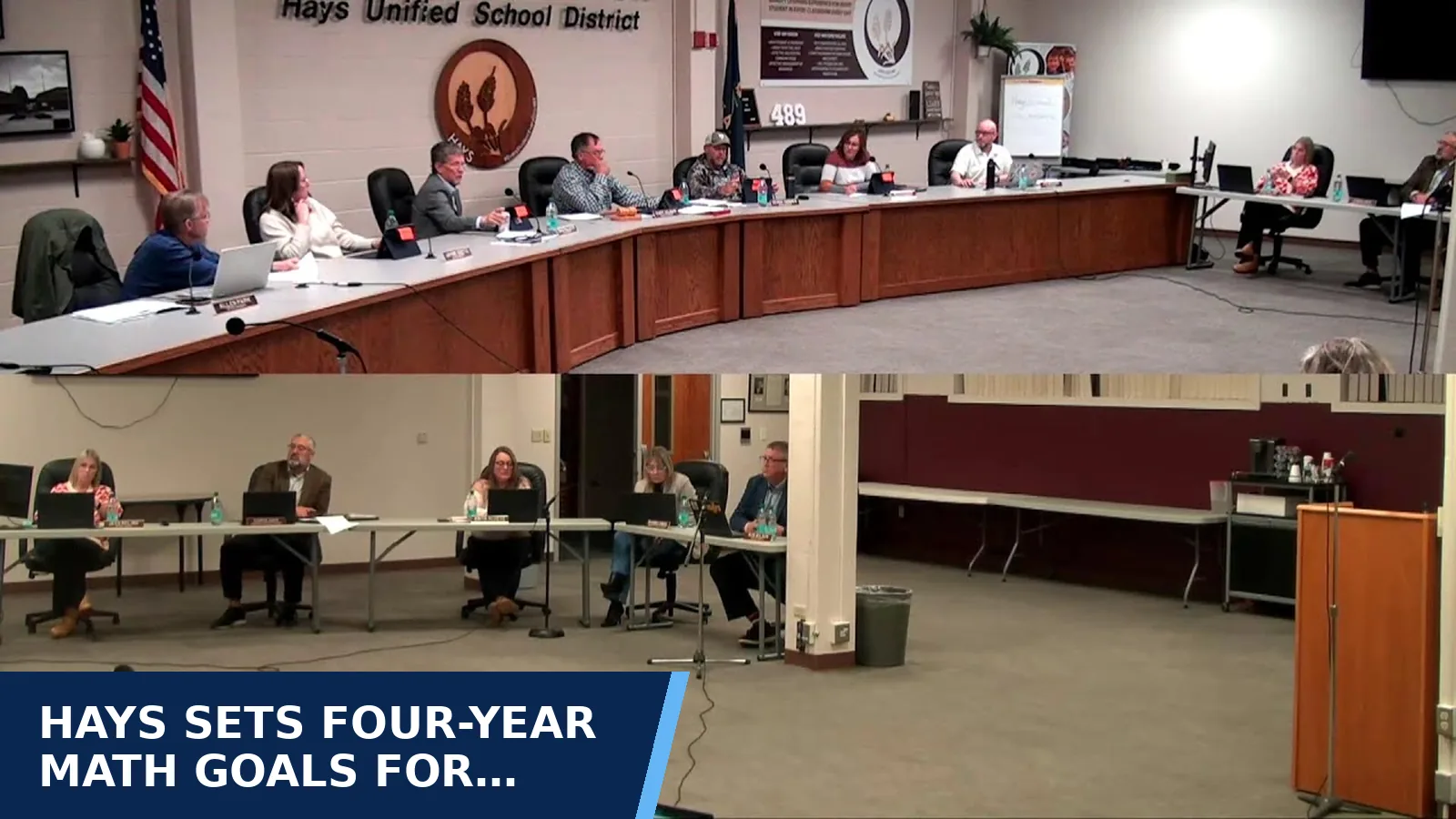
The district has submitted a state-required four-year accountability plan targeting at-risk, non-special-education third- and fourth-graders for math support. It tracks about 70 third-graders and 83 fourth-graders, aiming to reduce the share scoring at the lowest math level by the time they reach sixth and seventh grade.
USD 232's latest resource-review update says below-projection fall enrollment is already driving roughly $150,000–$175,000 in FY2027 reductions and could require $2 million or more in 2027–28 adjustments unless enrollment rebounds. The district has collected 164 ideas, but has not selected cuts; Board action is planned for spring 2027.
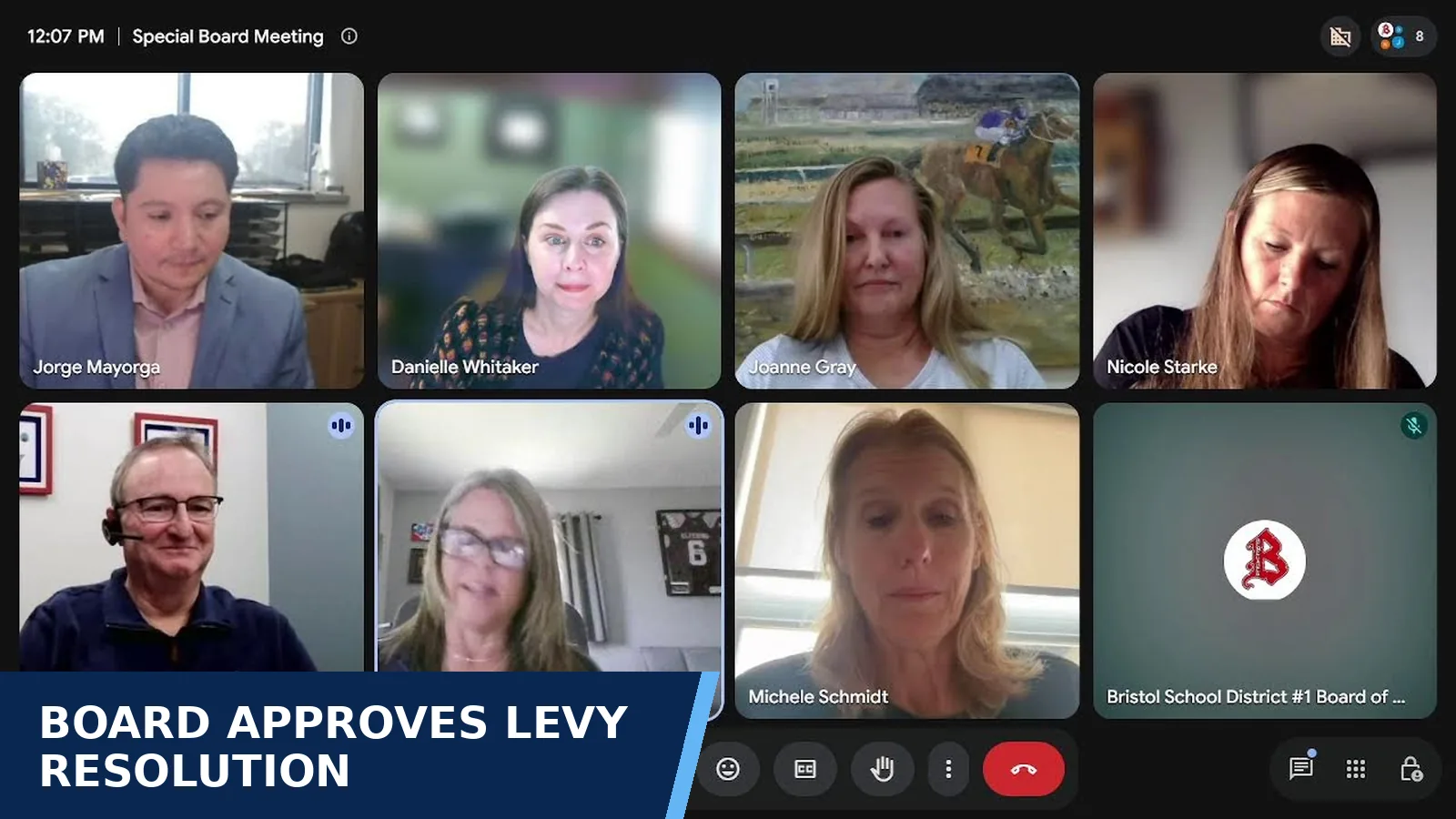
On October 30 the board approved a levy resolution stated in the recording as $7,790,453, after an October 21 presentation showed a preliminary $7,778,247 levy.
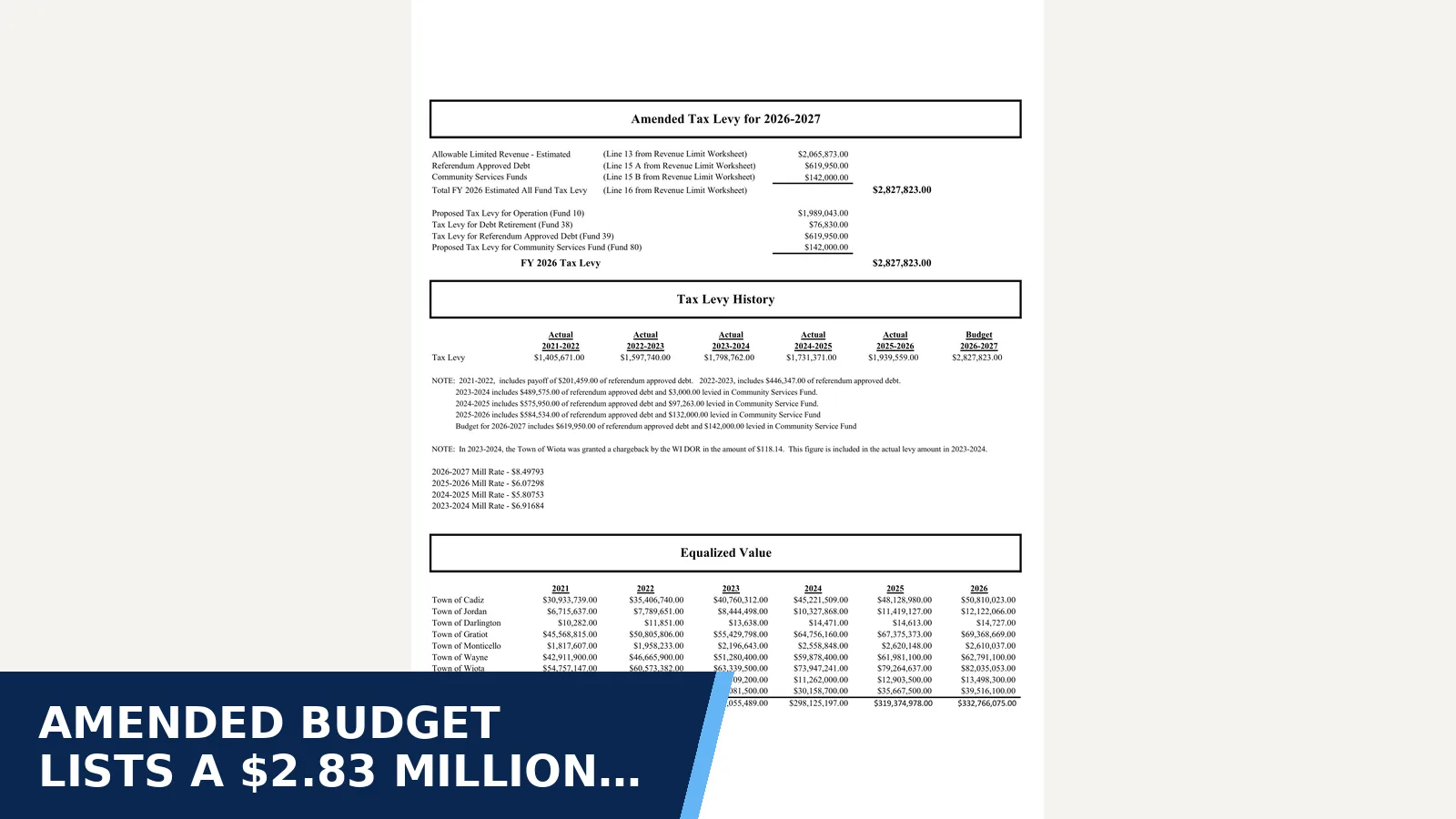
On October 29 the board set the district's property tax levy. Directors said about $77 million of the levy would be offset by the state school levy tax credit, and about $19.5 million goes to fund the state's special-needs scholarship program (a private-school voucher program), not MPS schools. The board also adopted an amended 2026-27 budget that day.
The board approved a revised 2026–27 budget and levy after a revenue-limit worksheet error was identified. The revised booklet lists a $35,307,484 levy.
A revised enrollment-based budget projection could leave the district about $145,000 short, compared with a $91,000 surplus in the adopted budget. Officials said the figures will not be final until December and are considering spending reductions, reserves, or paying off a baseball-field loan early; the board did not choose a solution.
The October 28 levy certification agenda listed a 2026-27 general fund budget of $55,675,302, a tax rate of $5.72 per $1,000 and a total levy of $20,679,656, and $6,659,049 for referendum debt payments.
The board approved a revised fiscal-recovery plan after the district found that $7.99 million in current-year budget savings had not been achieved. The district said it must remove those assumed savings from this year’s budget; additional cuts are still under review.
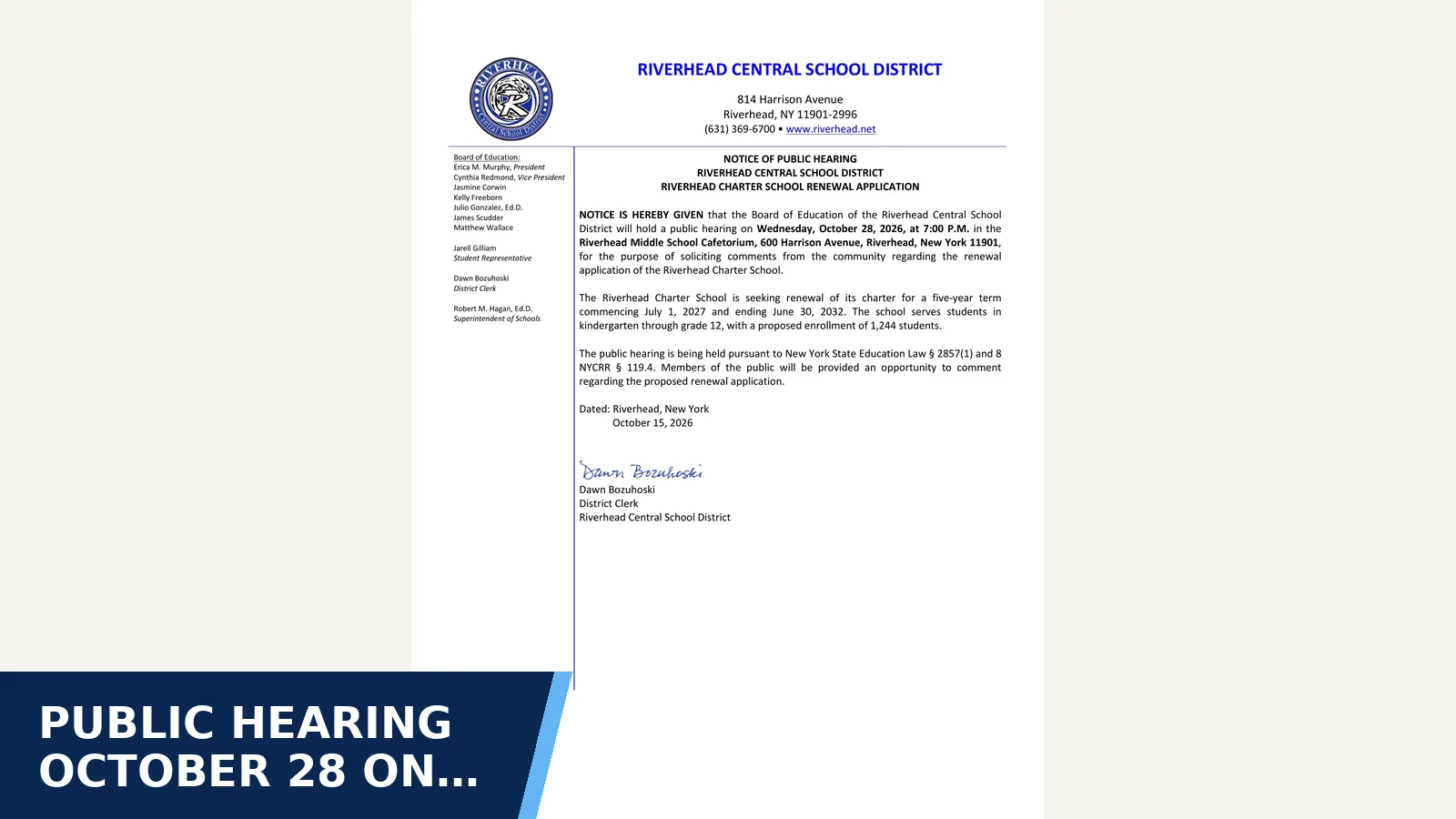
The Board of Education will hold a public hearing on Wednesday, October 28, 2026 at 7:00 p.m. in the Riverhead Middle School Cafetorium to hear comments on the Riverhead Charter School's request to renew its charter for five years, July 1, 2027 to June 30, 2032. The school serves kindergarten through grade 12 and proposes enrollment of 1,244.
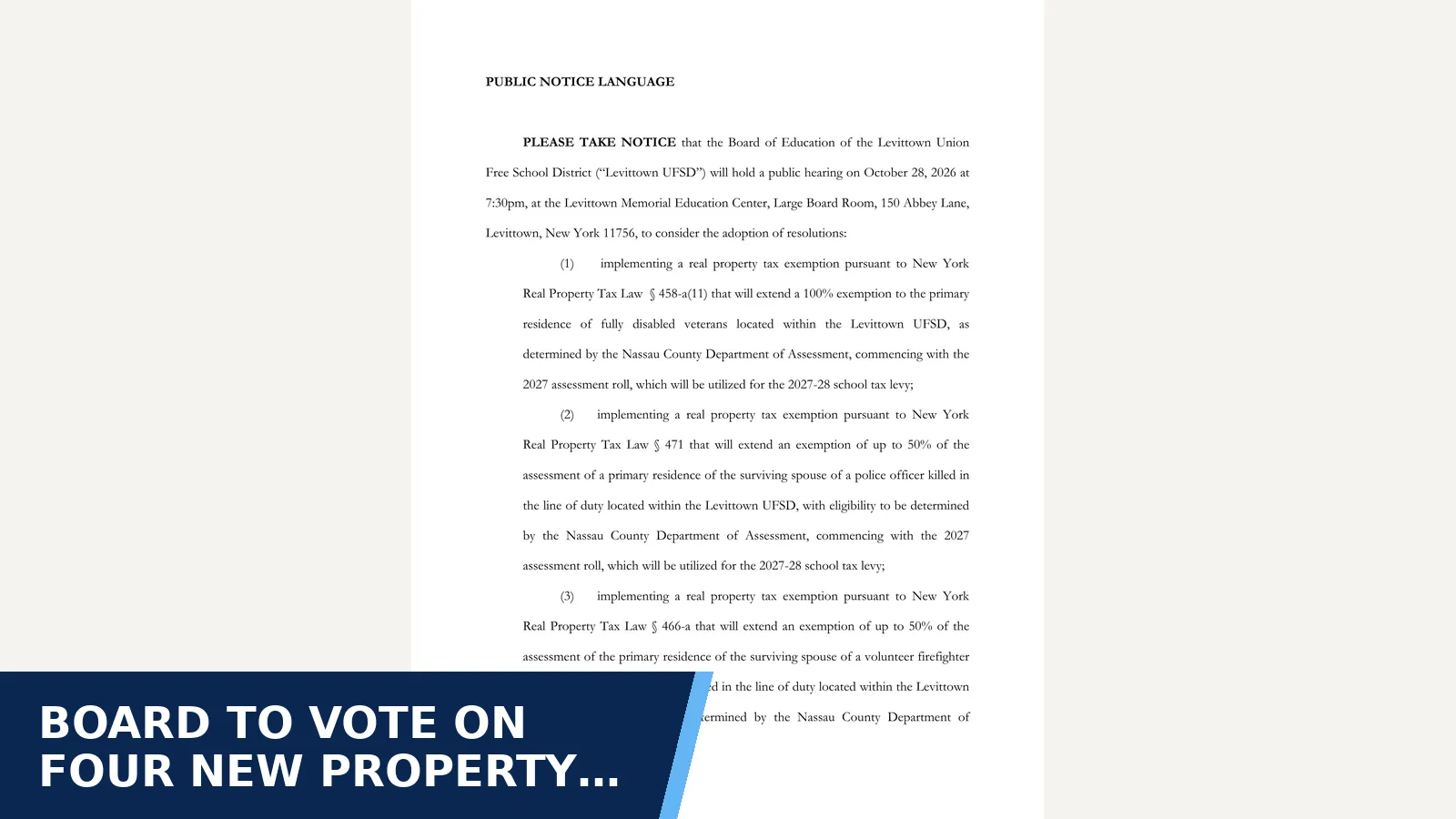
On October 28, 2026 the board will hold a public hearing on four exemptions to start with the 2027 assessment roll (2027-28 school tax): 100% for fully disabled veterans, up to 50% for spouses of police officers killed in the line of duty, up to 50% for spouses of volunteer firefighters or ambulance workers killed in the line of duty, and a senior exemption raised to as much as 65% for incomes under $47,000.
The board adopted the 2026-27 budget and a property tax levy of $98,852,490, up 4.63%. Spending is planned to exceed revenue by $18.75 million, about $17.76 million of it structural, paid mostly from savings.
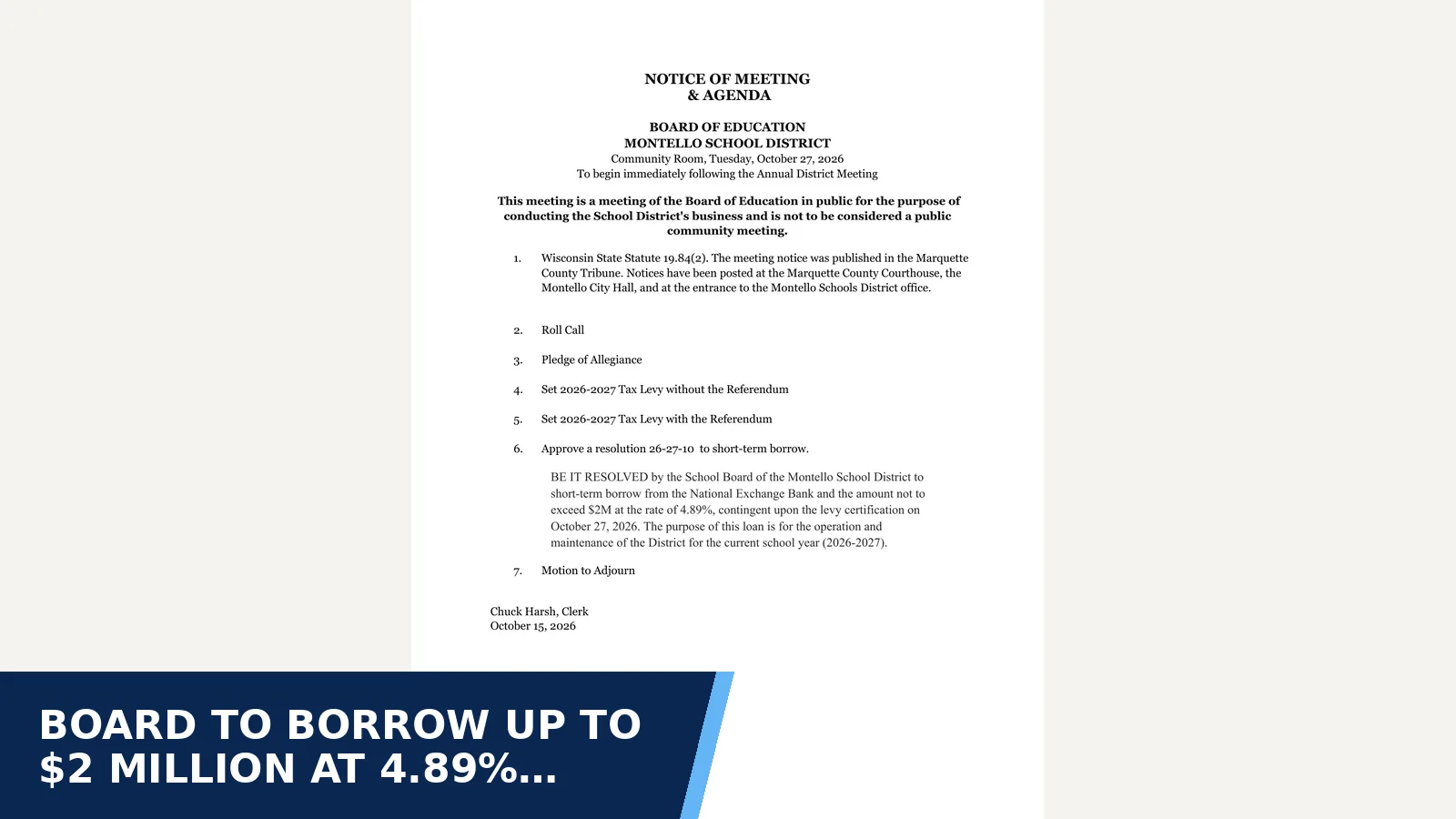
The board's October 27, 2026 levy meeting agenda lists a resolution to short-term borrow up to $2 million from National Exchange Bank at 4.89%, tied to the levy certification, to pay operating costs this school year.
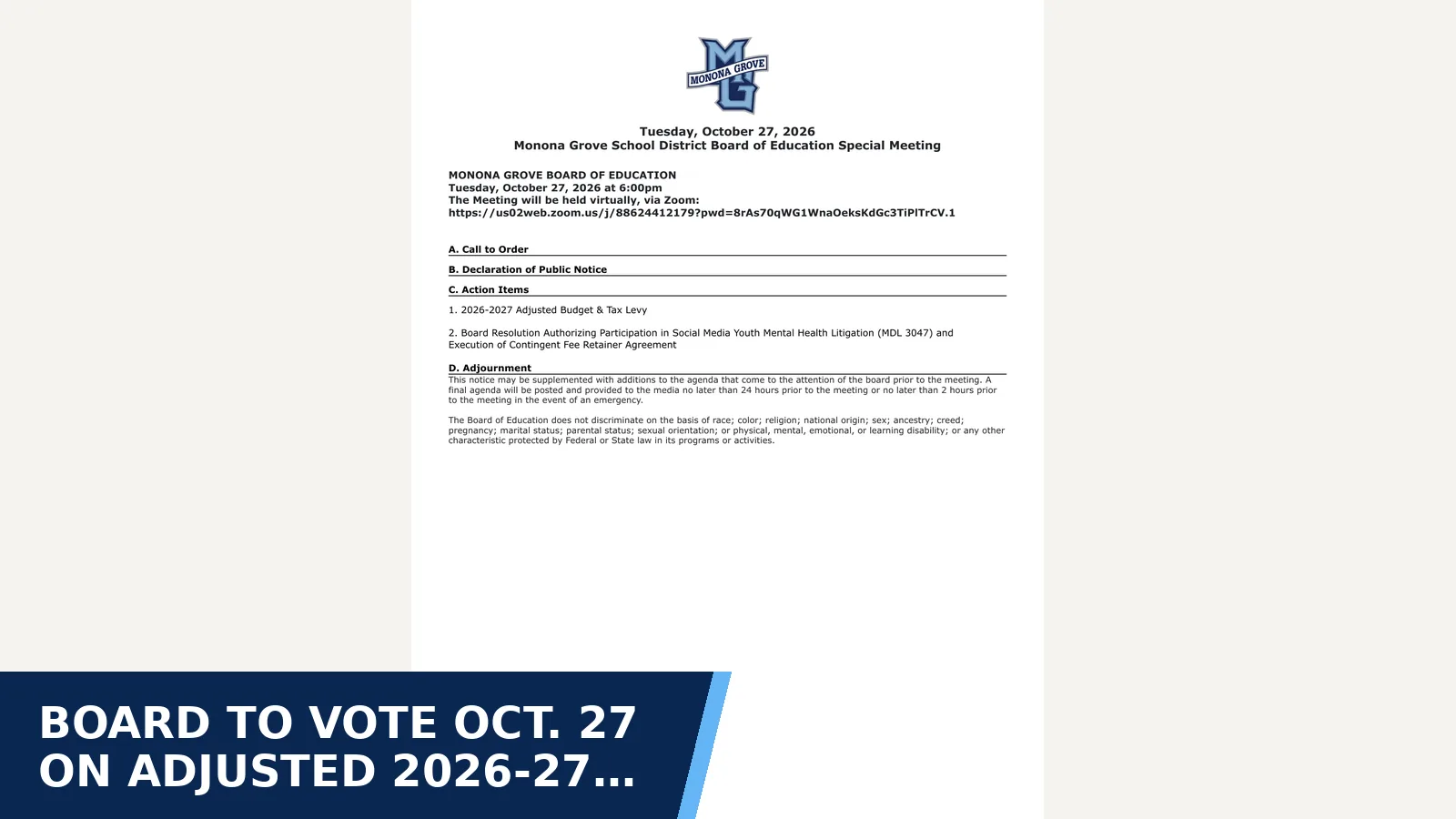
A special board meeting on Oct. 27 lists the 2026-27 adjusted budget and tax levy as an action item, after the Finance and Operations Committee reviewed it on Oct. 22. The same agenda includes a resolution on joining the social media youth mental health litigation (MDL 3047). Minutes were not posted when collected, so the result is not confirmed.
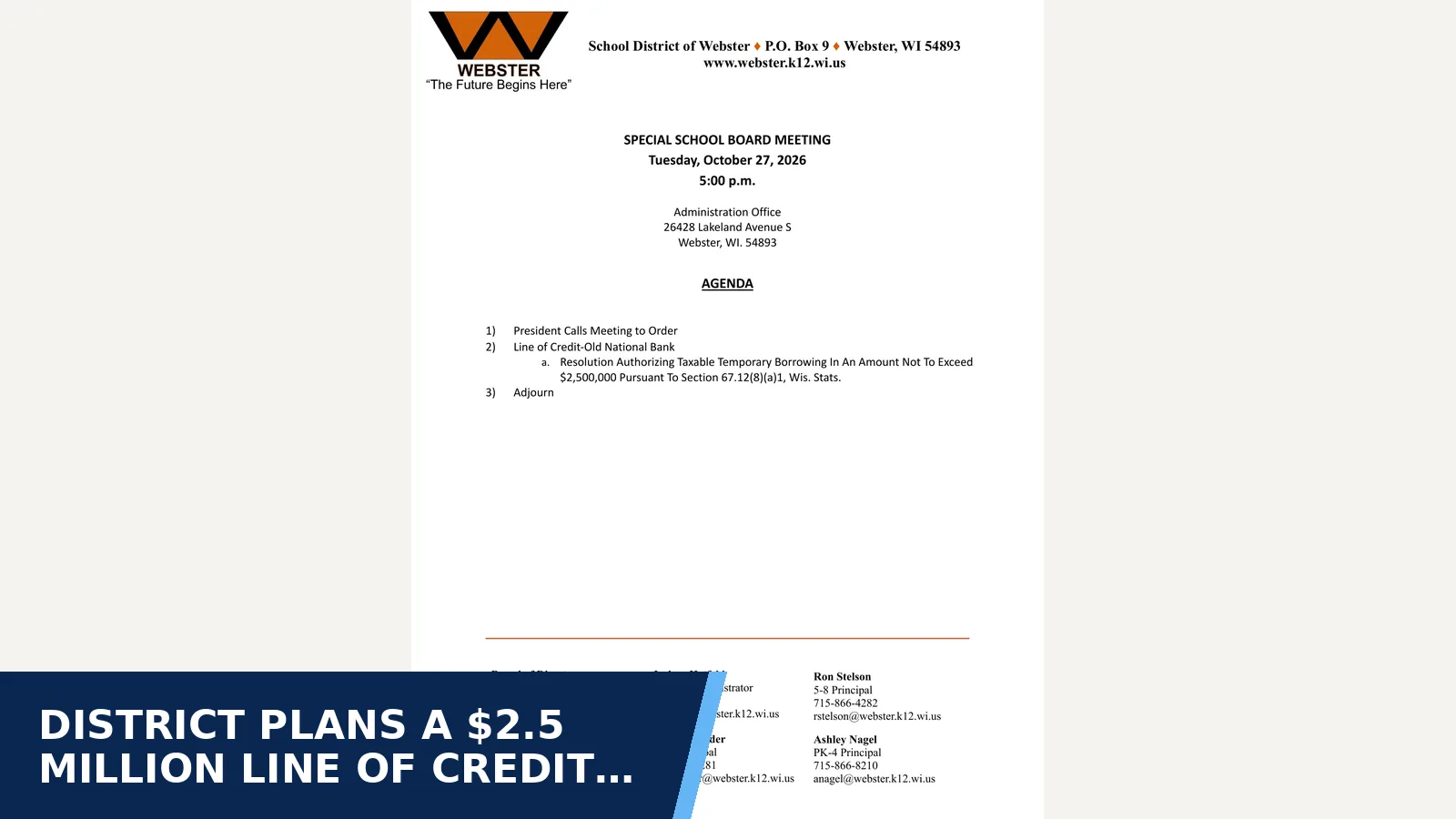
The October 27, 2026 special meeting agenda lists a resolution authorizing taxable temporary borrowing of up to $2,500,000 through a line of credit with Old National Bank. An $800,000 temporary borrowing resolution was on the December 17, 2025 agenda, and the October 19 agenda lists a line of credit renewal.
The district is proposing $4.5 million in FY26 transfers to support food service, transportation and student activities; the item is on the Oct. 27 agenda for final reading, so this packet does not establish approval. The plan allocates $2 million each to food service and transportation and $500,000 to activities and athletics, without increasing municipal tax appropriations.
The district's October 2026 enrollment report, posted for the October 27 board meeting, counts 17,901 students on October 1, 2026, down 417 (2.3%) from a year earlier. Kindergarten fell about 9%. Enrollment is down from 20,373 in 2017.
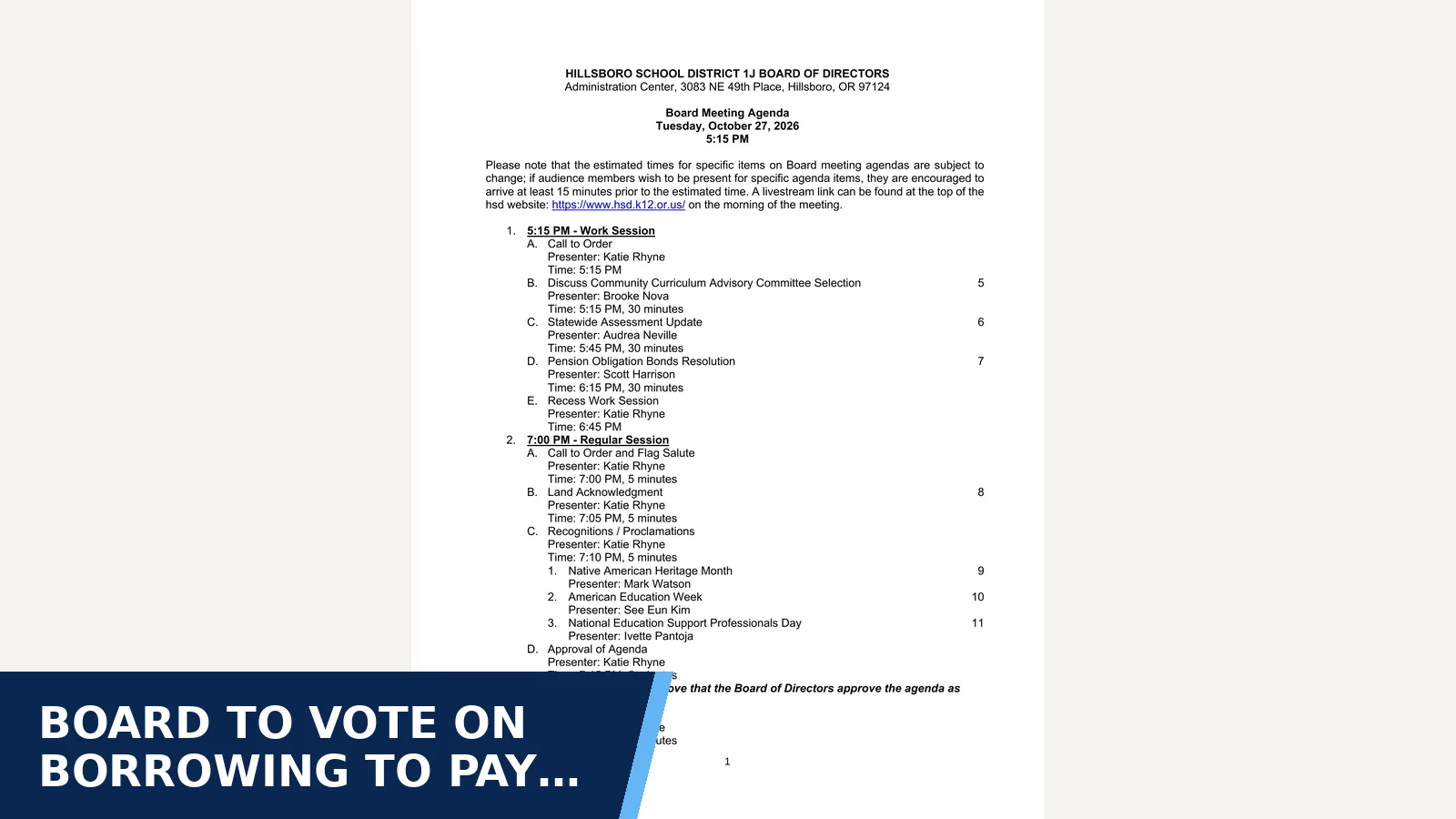
On October 27, 2026 the board is scheduled to vote on joining a pooled Oregon program to issue pension obligation bonds. The money would go into a new PERS side account to lower future pension costs. The district's share of unfunded pension liability is estimated at $247.6 million, and the resolution caps the interest rate at 5.25%. The resolution must pass by November 13 to join this round.
On Oct. 26 the board voted 5-2 to approve the 2026-27 budget and tax levy. The school tax levy is $39,593,773 (up 0.9%), and the tax rate is $6.22 per $1,000 of property value, down from $6.35. State equalization aid fell 11.4% to $16.6 million, and the district is using $1,514,593 of reserves to balance the budget.
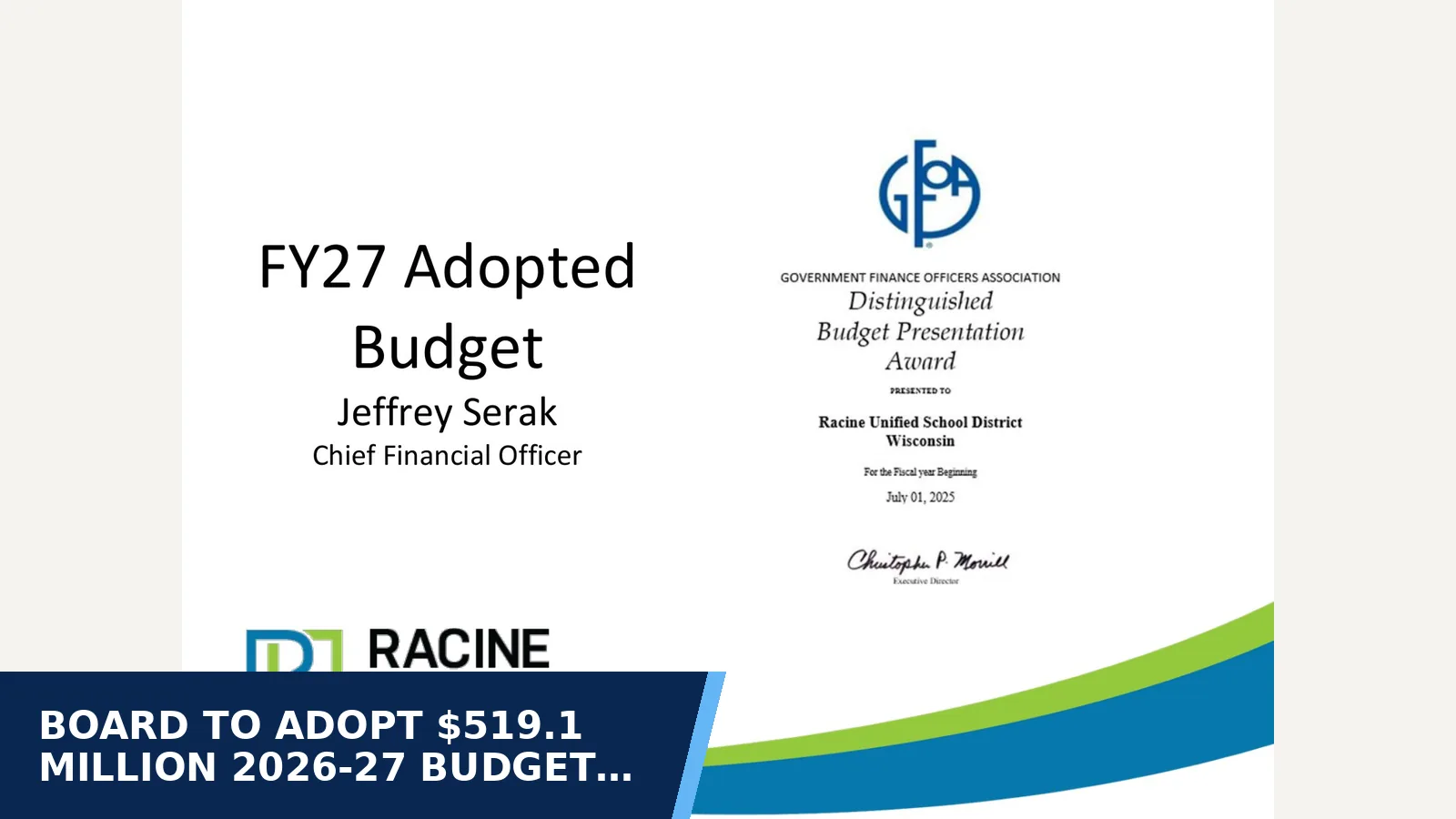
The proposed 2026-27 budget totals $519.1 million across all funds, with a tax rate of about $8.07 per $1,000 of property value. The board's Oct. 26 special meeting agenda lists adoption of the budget and a 2026-27 tax levy of $122,609,226. The Oct. 26 minutes are not yet posted, so the result is not confirmed here.
On October 26 the board certified a 2026-27 property tax levy of $55,394,421 and a tax rate of $6.61 per $1,000 of value, and approved a final budget with $79.2 million in revenue and $78.7 million in spending.
At the October 26 budget hearing the business office said the 2026-27 mill rate will be about $6.21 per $1,000 of property value, up from about $4.85. About $1.55 of it goes to private school vouchers, which cost the district about $6.16 million (up 28%). Voter-approved referendum money and a projected surplus of about $250,000 are also in the budget.